It is easy to treat a couple of nighttime wake ups as a minor inconvenience, barely worth mentioning over breakfast. The research on sleep quality tells a rather different story, and it is worth understanding exactly why fragmented sleep matters so much, even when the total number of hours in bed looks perfectly reasonable on paper.
Broken Sleep Is Not the Same Problem as Short Sleep
Sleep researchers draw a clear distinction between duration, meaning how many hours you actually sleep, and continuity, meaning how unbroken those hours are. Even if you technically clock up a full eight hours in bed, if that time is split into several ninety minute or longer disrupted chunks, you miss out on the deep and REM sleep stages that occur later in each individual sleep cycle. These later stages are responsible for a great deal of the restorative work sleep is meant to do, including memory consolidation, tissue repair and emotional regulation.
In other words, a person who sleeps eight broken hours is not necessarily getting anywhere near the same benefit as a person who sleeps seven unbroken ones. This is precisely why so many people who wake up two or three times a night still feel exhausted the next day, despite having technically been in bed for what should be a perfectly adequate stretch of time.
The Flow On Effects of Consistently Fragmented Sleep
Repeated, ongoing sleep fragmentation has been linked in research to a range of measurable effects, including the following.
- Reduced concentration, memory and reaction times the following day.
- Increased risk of workplace incidents and driving related accidents.
- Higher long term risk factors associated with heart disease, stroke and diabetes.
- Lower overall mood and a reduced ability to manage everyday stress.
None of these outcomes require dramatic or extreme sleep disruption to appear. Modest, consistent fragmentation night after night, exactly the kind caused by regular bathroom trips, is enough to produce measurable effects over time.
The Economic Scale of the Problem
A study published in the journal Sleep by Oxford University Press estimated that sleep related productivity losses cost the Australian economy more than sixty six billion dollars a year, once lost output, workplace injuries and associated healthcare costs are all taken into account. Nocturia, the medical term for waking at night to urinate, is consistently identified as one of the most common and most fixable contributors to that figure, precisely because it is so widespread and so often dismissed as trivial rather than treated as a genuine sleep health issue.
Why This One Is Different From Most Sleep Problems
Unlike many causes of poor sleep, which can be complex, deeply personal, or genuinely difficult to resolve, nighttime bathroom disruption often has a largely mechanical rather than medical explanation. In many cases the underlying need to get up is not the real problem at all. The real problem is the disruption caused by getting up, meaning the bright overhead light, the sudden full body wake up, and the extended period it then takes to drift back into a proper sleep afterwards.
This distinction matters because it means a meaningful part of the problem is genuinely solvable without medication, without a lifestyle overhaul, and without waiting on a referral. Reducing fluids in the couple of hours before bed, cutting back on evening alcohol, and swapping a harsh overhead bathroom light for something soft and automatic can each independently reduce how disruptive a nighttime trip actually is.
Why This Problem Is So Easy to Underestimate
Part of what makes fragmented sleep such a stubborn health issue is that its effects rarely show up as a single, obvious symptom. Instead, they tend to appear gradually, as a slightly shorter temper, a slightly harder time concentrating at work, a slightly increased reliance on caffeine to get through the afternoon. None of these on their own feels serious enough to investigate, yet together they represent a genuine, measurable decline in quality of life that many people simply attribute to getting older, being busy, or having a demanding job, rather than recognising broken sleep as the underlying cause.
The Workplace and Safety Angle
Beyond personal health, fragmented sleep has well documented implications for workplace safety and performance. Studies on shift workers and people experiencing chronic sleep disruption consistently show increased rates of minor errors, slower reaction times, and a higher likelihood of workplace incidents, particularly in roles involving machinery, driving, or repetitive attention heavy tasks. This is part of why the economic cost estimates associated with poor sleep extend well beyond healthcare spending alone, factoring in lost productivity and workplace injury costs as significant contributors in their own right.
A Practical Place to Start
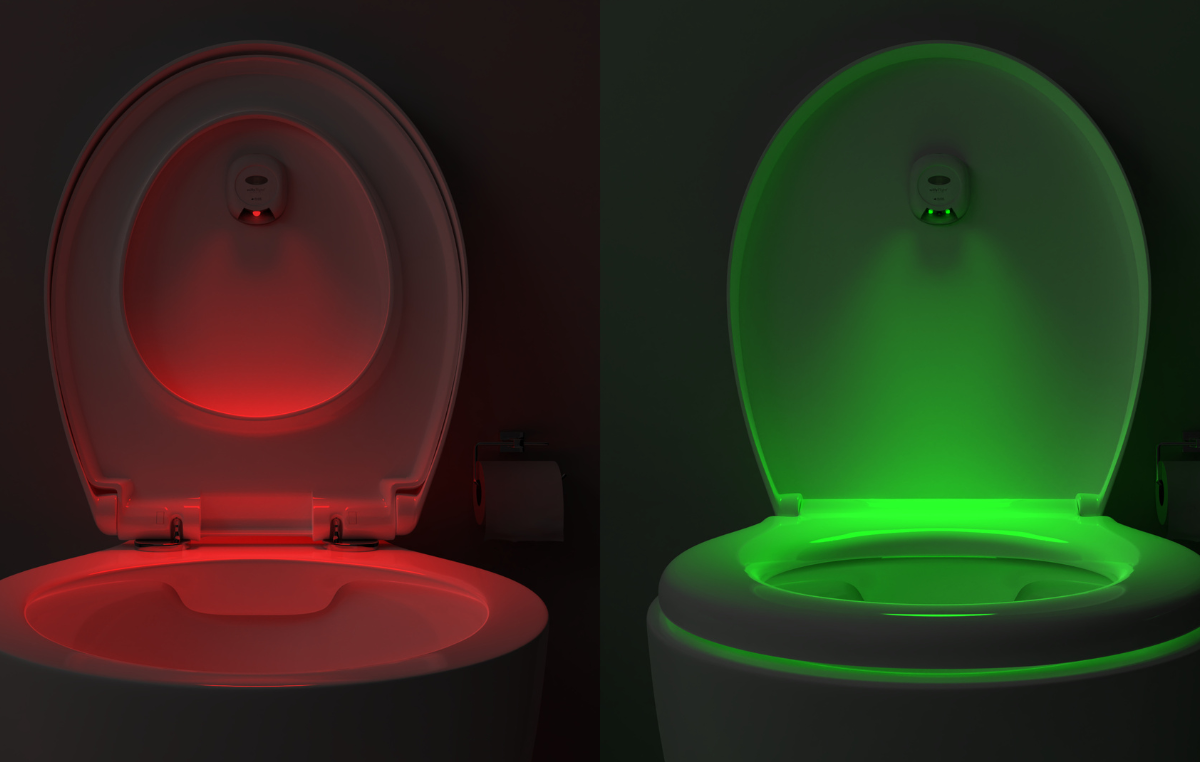
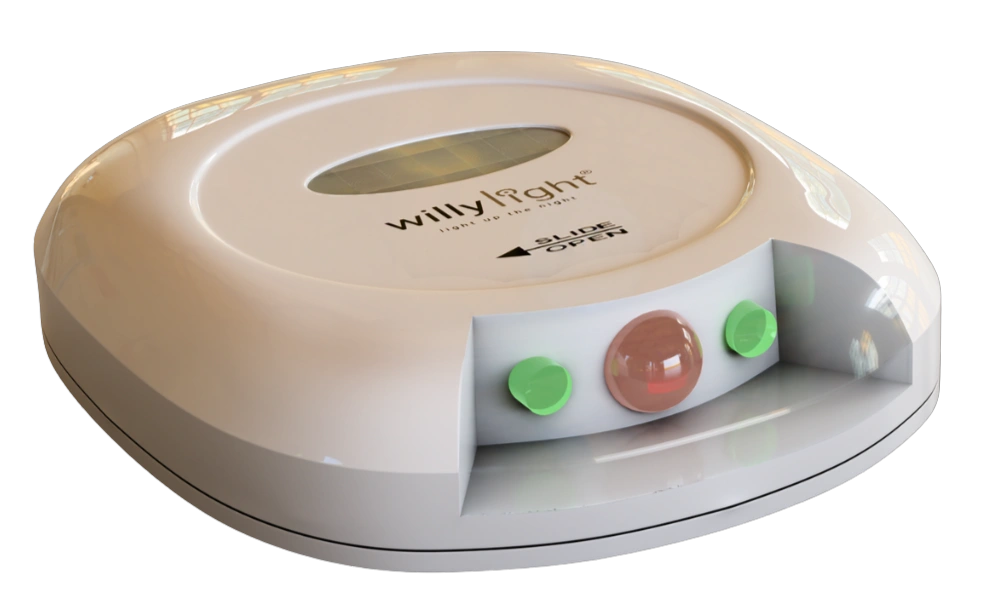
The WillyLight was built specifically around this insight. It attaches to the underside of the toilet lid and uses electronic motion sensors to detect your presence, providing just enough soft, colour coded light to guide you safely without the jarring wake up effect of a normal switch. It is 100% Australian owned and operated, individually tested before shipping, and backed by a 30 day money back guarantee, which makes it a low cost, low risk first step for anyone whose nights are being quietly eroded by a problem that, on paper, looks small but adds up to a genuinely significant health and productivity cost over time.
Taking the Problem Seriously Without Overcomplicating the Fix
None of this is to suggest that everyone experiencing broken sleep needs a comprehensive medical work up or a complicated intervention. For a large proportion of people, the fix really is this straightforward, reduce the frequency of nighttime disruption where possible, and dramatically reduce the severity of the disruption on the occasions it does happen. Treating fragmented sleep as a genuine health issue worth addressing, rather than a minor inconvenience to simply push through, tends to be the first and most important step toward actually fixing it.
How to Track Whether Changes Are Actually Helping
It can be surprisingly difficult to judge sleep quality from memory alone, since a genuinely bad night often blurs together with an average one by the following afternoon. Keeping a simple log for two or three weeks, noting roughly how many times you woke, how long it took to fall back asleep, and how rested you felt the next morning, gives a much clearer picture of whether a specific change, such as adjusting evening fluid intake or switching to automatic lighting, is genuinely making a difference, rather than relying on a vague overall impression that can be influenced by unrelated factors like stress or a particularly demanding week at work.
Why Small, Consistent Improvements Beat Occasional Big Efforts
Sleep quality tends to respond better to small, consistent habits maintained every night than to occasional, more dramatic efforts made only when things feel particularly bad. A soft, automatic bathroom light that works the same way every single night, regardless of how tired or motivated you are feeling in the moment, tends to deliver more reliable long term benefit than a good sleep routine that only gets followed properly on nights when you happen to remember and have the energy to stick to it.