Getting up at night is not really the problem for most people. What actually determines whether you drift straight back to sleep or spend the next forty five minutes staring at the ceiling is what happens in the ten minutes surrounding that trip. Here is how to minimise the disruption and get back to sleep as quickly as possible.
1. Skip the Overhead Light
A bright white overhead light is the single biggest reason most people struggle to fall back asleep after a bathroom trip. Use the lowest, warmest light source available, ideally something motion activated so you do not even need to think about locating a switch in the dark.
2. Keep Your Eyes Half Closed on the Walk There
It sounds like a small thing, but limiting how much light actually reaches your eyes during the trip meaningfully reduces the melatonin suppressing effect that a full, wide eyed walk through a lit hallway can cause.
3. Do Not Check Your Phone
It is tempting to glance at the time while you are up, but a phone screen delivers a strong dose of blue light at exactly the moment you are trying to avoid it, and checking the time rarely helps you get back to sleep any faster anyway.
4. Keep the Room Temperature Consistent
Climbing back into a bed that has become too warm or too cold while you were up makes it noticeably harder to settle. A slightly cool room, somewhere around eighteen to twenty degrees, tends to be ideal for falling back asleep quickly.
5. Use a Consistent, Predictable Route
Familiarity reduces the amount of mental alertness required to navigate safely, which is part of why motion sensor lighting that turns on automatically, rather than requiring you to search for and flick a switch, helps you stay drowsier throughout the whole trip.
6. Try Slow, Deep Nasal Breathing Once Back in Bed
A short pattern of slow, deep breaths through the nose can help shift your nervous system back toward a resting state, and is a simple, free technique worth trying every single time you get back into bed.
7. Address the Root Cause, Not Just Each Individual Trip
If you are waking up multiple times a night on a regular basis, cutting back on fluids two to three hours before bed and limiting alcohol in the evening can genuinely reduce how often you need to get up in the first place, rather than just managing the disruption once it happens.
The One Change That Covers Several of These at Once
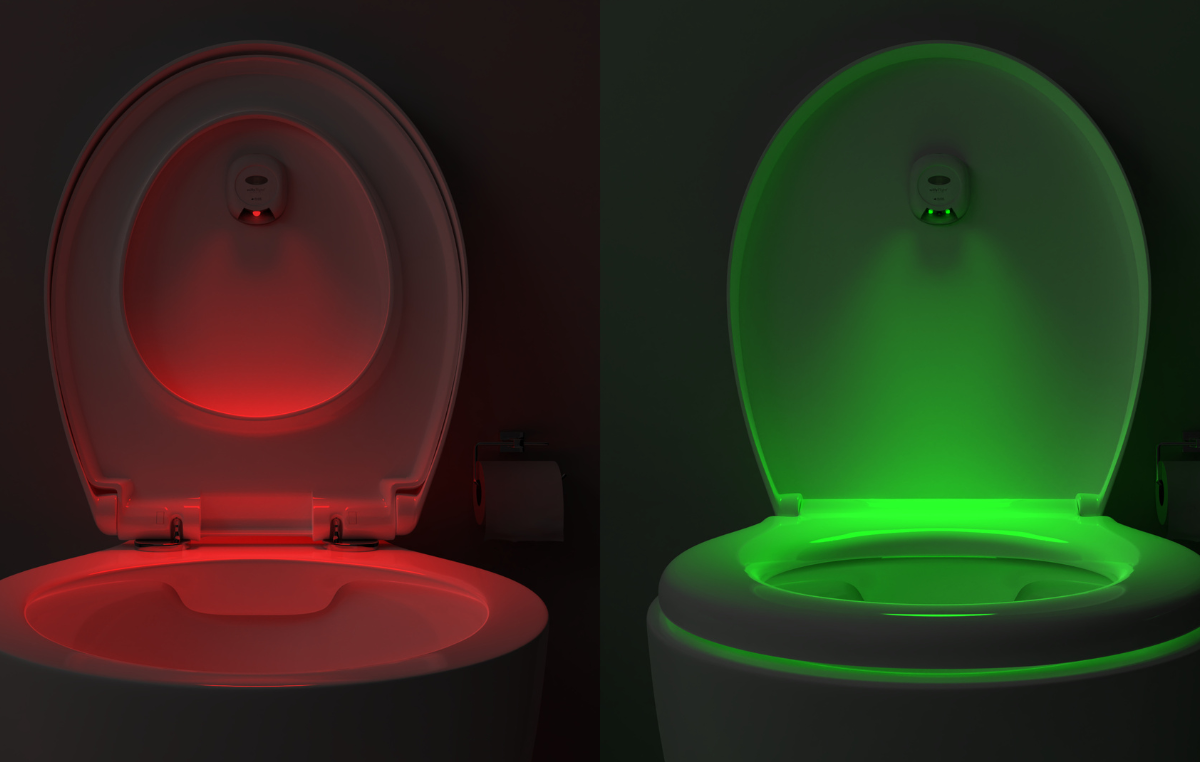
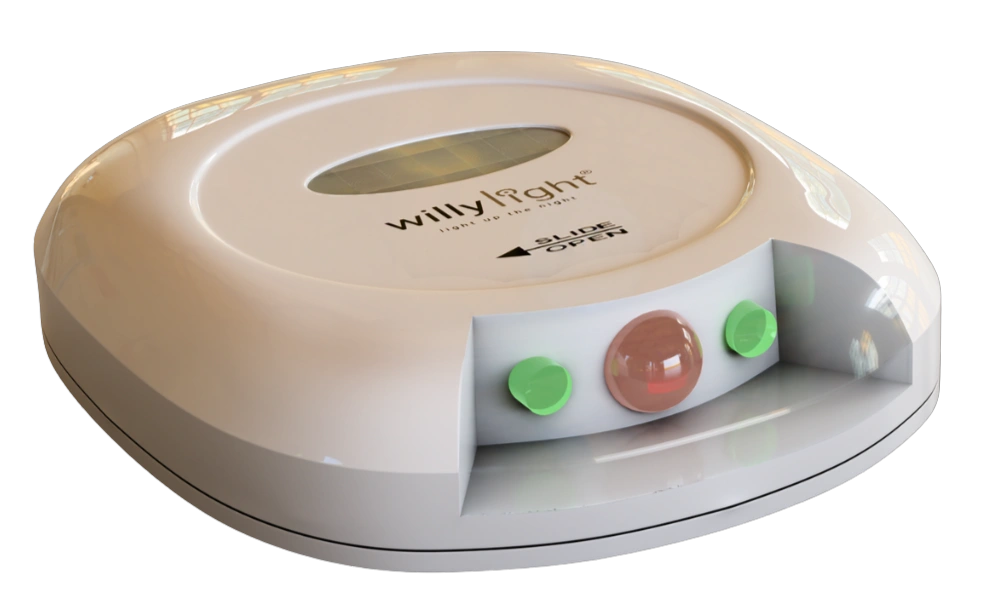
None of the seven tips above require spending any money, except one small one that happens to solve several of them simultaneously. A soft, automatic light like the WillyLight removes both the overhead light problem in tip one and the predictable route problem in tip five from your list of things to think about at two in the morning, without requiring you to remember anything or change any habits under half asleep conditions. It attaches to the underside of the toilet lid, uses electronic sensors to detect your presence, and switches off automatically the moment you leave.
For many households, this single change ends up being the highest impact item on the entire list, simply because it removes the need for willpower or memory at the exact moment those things are in shortest supply, in the middle of the night, half asleep, and just wanting to get back to bed as quickly and comfortably as possible.
Building These Tips Into an Actual Routine
Reading a list of tips is one thing, but turning them into an automatic nightly routine is what actually produces results over time. It helps to think of the bathroom trip as having three distinct phases, getting up, using the bathroom, and returning to bed, and to apply a small rule to each phase rather than trying to remember all seven tips as a single block. On getting up, commit to no phone and minimal eye opening. During the bathroom visit, rely on automatic, low glow lighting rather than a switch. On returning to bed, focus on breathing and avoid checking the time. Broken down this way, the routine becomes something your body can eventually do almost automatically, without requiring conscious effort each time.
What to Expect in the First Week of Changing Your Routine
If you are used to a bright overhead light and a fully awake bathroom routine, switching to a softer, more deliberate approach can initially feel slightly unfamiliar, simply because it breaks a habit that has been in place for years. Most people find that within a week of consistent practice, the new routine starts to feel just as automatic as the old one, but with noticeably less time spent lying awake afterwards. Persisting through that initial adjustment period is usually well worth it for the improvement in sleep continuity that follows.
Tips Worth Combining for a Bigger Effect
None of these seven tips work in complete isolation from one another, and combining several at once tends to produce a noticeably bigger improvement than relying on any single change alone. A soft automatic light paired with a consistent room temperature and a firm no phone rule addresses light, comfort and blue light exposure simultaneously, covering three of the most common disruptors in one coordinated approach rather than tackling them one at a time over several separate weeks.
A Note for Households With More Than One Person Getting Up at Night
In households where more than one person regularly gets up during the night, whether that is two adults, a parent and a child, or an elderly parent living with family, these same seven tips apply equally to everyone, and a shared, consistent approach across the whole household tends to work better than each person managing their own routine separately. A single automatic light installed in a shared bathroom benefits everyone who uses it, without requiring each person to remember or apply the tips individually every time.
A Quick Recap Worth Keeping Somewhere Handy
Skip the overhead light, keep your eyes mostly closed on the way there, leave your phone alone, keep the room at a steady, cool temperature, take the same familiar route each time, breathe slowly once back in bed, and address fluid and alcohol timing if the trips are frequent. None of these require any special skill or equipment, and together they form a genuinely reliable routine that most people can adopt within a week or two of consistent practice.