Most people who disrupt their partner’s sleep have no real idea they are doing it, largely because by the time they are back in bed and settled, they are often already drifting off themselves, while their partner has been left lying awake for the past twenty minutes wondering why they suddenly cannot get back to sleep.
Habits Worth Checking
- The “quick” bathroom light flick. It does not feel like much to the person doing it, but a bright light spilling through a doorway or under a door is enough to interrupt a partner’s sleep cycle, even with their eyes closed the entire time.
- Charging your phone on their side of the bed. Notification lights and vibrations are surprisingly disruptive, even at a low volume or brightness setting.
- Getting up “quietly” but not carefully. Fast, abrupt movements out of bed shift the mattress considerably more than slow, deliberate ones, and most light sleepers notice a sudden shift far more readily than a gradual one.
- Turning the tap on at full pressure. A softer flow late at night is a small but genuinely appreciated courtesy.
- Setting an alarm that requires multiple snoozes. Each individual snooze cycle represents a fresh disruption to whoever else is in the room.
Why the Bathroom Light Sits at the Top of This List
Out of everything listed here, lighting has the most measurable effect on sleep, precisely because it acts directly on melatonin production rather than simply registering as a passing noise or a brief bump in the mattress. Sound and movement disruptions tend to be brief and quickly forgotten by the brain, whereas light exposure can suppress melatonin for a noticeably longer stretch, making it genuinely harder for a partner to fall back into deep sleep even once the light itself has been switched off again.
The Fix That Requires No Behaviour Change at All
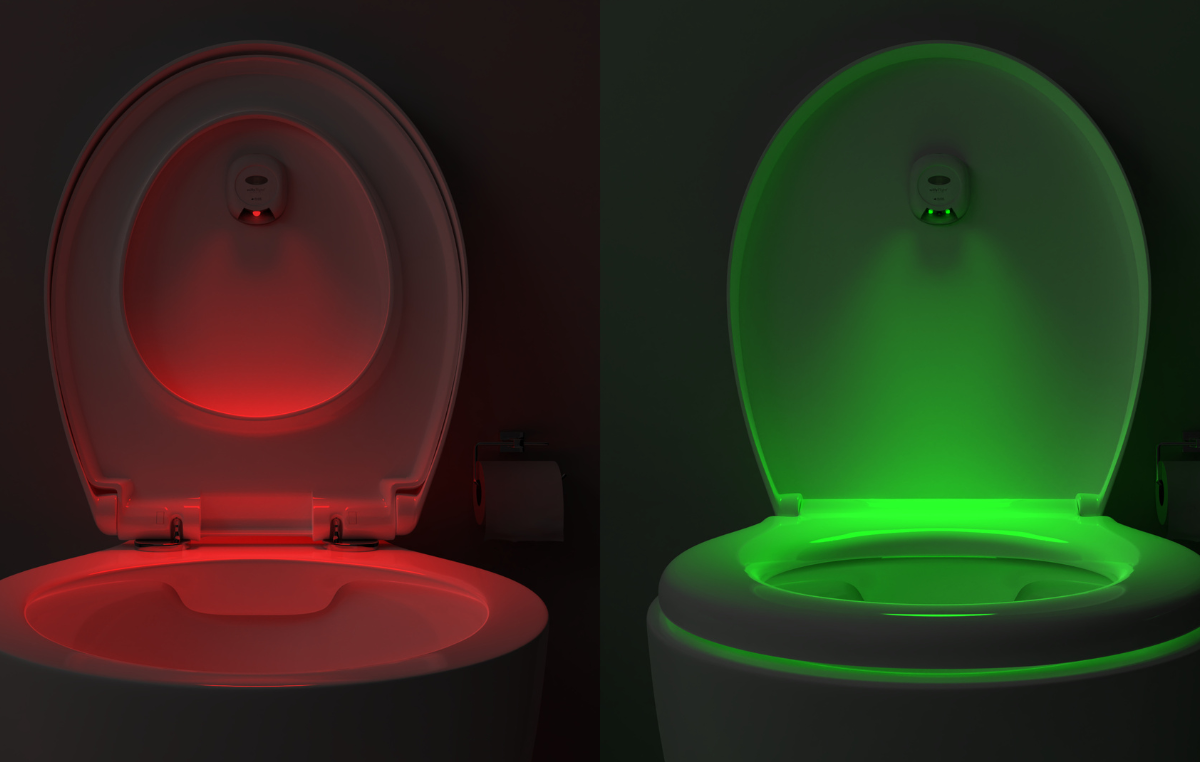
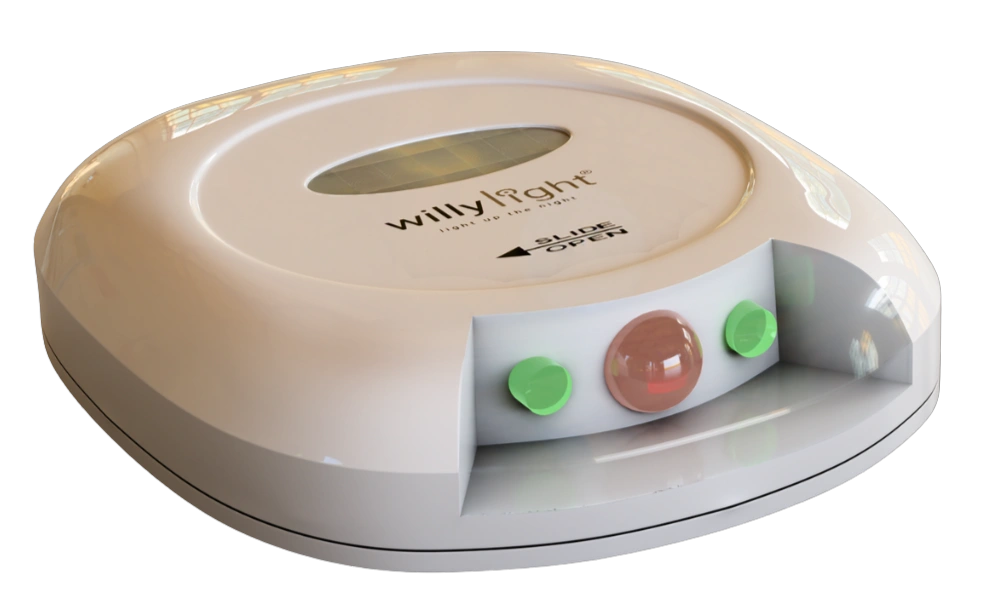
The best part about solving this particular problem is that it does not rely on remembering to be considerate at two in the morning while half asleep, which, realistically, is exactly the moment most people are at their least considerate and least capable of following through on good intentions. A motion activated light such as the WillyLight does the considerate part automatically on your behalf. It provides a soft glow, requires no switch to find, and turns itself off the instant you leave the room.
A Simple Household Audit
If you suspect your own nighttime habits might be quietly disturbing your partner, it is worth running through the list above honestly over the next week or two. Most people are surprised to discover just how many of these small habits they are guilty of without ever having noticed. Addressing even one or two, starting with the bathroom light, tends to produce a noticeable improvement in how rested your partner feels, often within just a few nights.
Why Partners Rarely Mention It Directly
Many partners simply do not raise these issues, either because the disruption feels too minor to bring up individually, or because they do not want to seem overly sensitive about something as ordinary as a nighttime bathroom trip. This means a lot of nightly disruption goes on for years without either partner realising there is a straightforward fix available. Proactively asking a partner whether anything about your nighttime habits disturbs their sleep, rather than waiting for them to bring it up, often reveals issues that are both genuinely bothering them and genuinely easy to fix.
A Two Week Trial Worth Running Together
Rather than trying to fix every habit on this list at once, it is generally more effective to address the single biggest disruptor first and observe the result before moving on to smaller items. Given that lighting has the most measurable impact on sleep continuity of everything covered here, starting with an automatic, low glow bathroom light and running a genuine two week trial is usually the most efficient way to see a real improvement before tackling the remaining habits on the list.
Why Awareness Alone Often Fixes Half the Problem
Simply becoming aware of these habits, without any product or purchase involved at all, resolves a surprising proportion of nighttime disruption on its own. Once a person genuinely understands that a quick light switch flick or a phone check at 2am is measurably disturbing their partner’s sleep, most people naturally start being more mindful of it, at least during the moments they are alert enough to remember. The remaining gap, specifically the moments when tiredness overrides good intentions, is exactly where automatic solutions like the WillyLight continue to add value even after awareness has improved.
A Final Thought on Small Considerations
None of the habits covered in this article are dramatic or malicious, they are simply small, easily overlooked patterns that add up over time. Addressing even a couple of them thoughtfully tends to noticeably improve how rested a partner feels, often without them fully realising what specifically changed, only that they seem to be sleeping better than they had been for some time. The WillyLight is priced at $39.99, ships free, and comes with a 30 day money back guarantee, making it a low cost, low effort way to tick the single biggest item off this particular list without having to rely on anyone remembering anything at all.
Keeping the Focus Constructive
It is worth approaching this topic as a shared opportunity for improvement rather than a list of faults to assign blame for. Every household has a version of these habits, and the goal here is simply to identify the highest impact ones worth addressing first, starting with lighting given how much more measurable its effect on sleep tends to be compared with the others covered in this list.
A Simple Starting Point Tonight
If none of this feels urgent enough to act on immediately, it is worth simply asking your partner tomorrow morning how well they slept, and whether anything specific disturbed them overnight. Their answer often points directly to which habit on this list is worth tackling first in your own household.