If you wake at the slightest sound, flicker of light or shift in the mattress, sharing a bed can feel like a nightly gamble on whether you will actually get through to morning without being disturbed. The encouraging news is that most of the disruptions light sleepers deal with are genuinely fixable, usually without spending very much money at all.
Sound
- A white noise machine or a simple fan can mask sudden noises such as doors, footsteps or a partner getting up.
- Soft close hardware on wardrobes and doors reduces the sudden bangs that so often jolt a light sleeper awake.
- Foam mattress toppers reduce the amount of movement transferred across the bed when a partner shifts position or gets up during the night.
Light
This is the big one, and arguably the factor with the largest measurable impact of the three. Even a brief flash of light is enough to pull a light sleeper out of a deep sleep stage, and bathroom trips are consistently the most common source of that disruption. A partner getting up to use the toilet and switching on a bright overhead light is one of the most preventable causes of broken sleep in any shared bedroom.
Temperature
Light sleepers also tend to be more sensitive to temperature shifts than average, and a partner getting in and out of bed changes both airflow and warmth beneath the covers each time it happens. A breathable duvet, or a dual zone electric blanket where each side of the bed can be adjusted independently, can help reduce this particular source of disruption considerably.
The Single Highest Impact Fix on This List
Of everything covered here, switching from a manual bathroom light to an automatic, low glow motion sensor light solves the most disruption for the least amount of effort. It requires no behaviour change at all from your partner, since it simply works automatically every single time, and it removes the brightest, most jarring disruption of the entire night in one straightforward step.
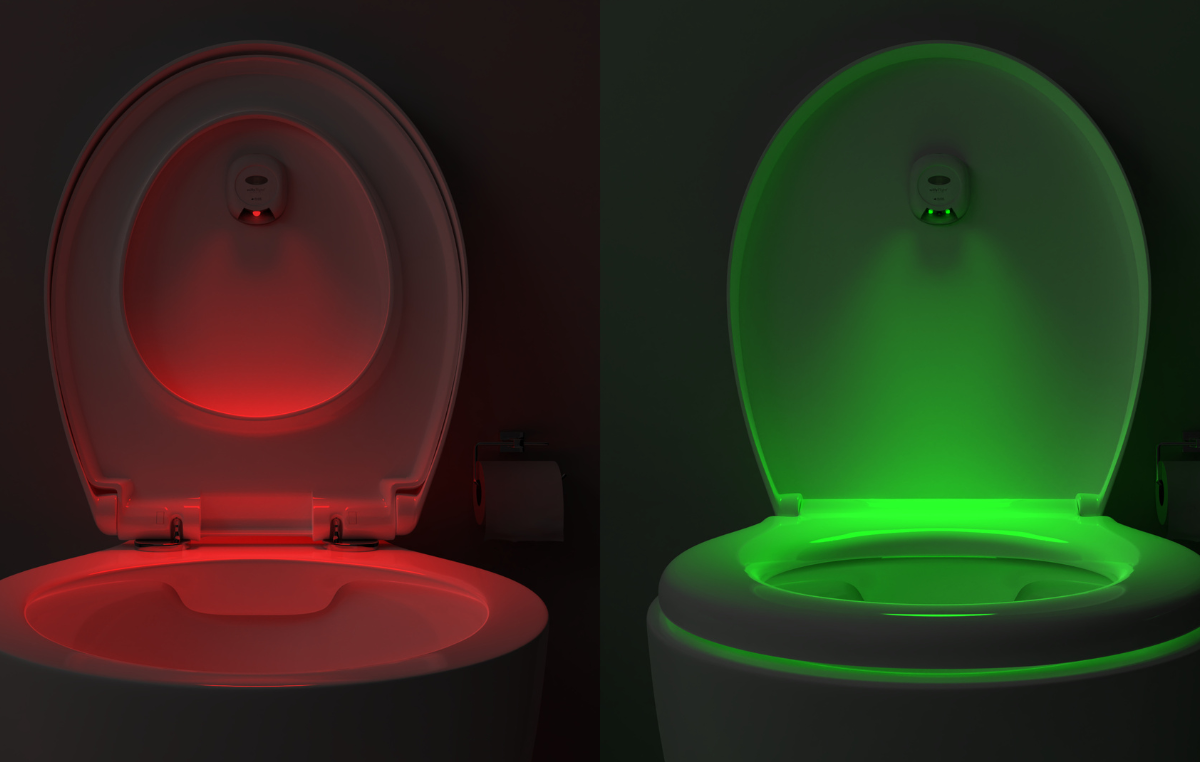
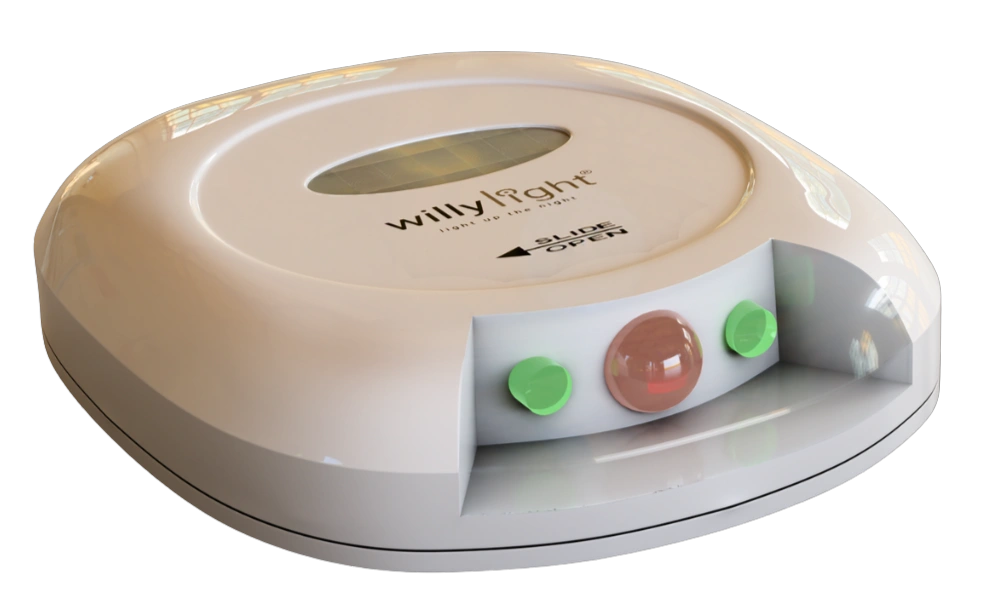
The WillyLight was built for exactly this scenario. It attaches to the underside of the toilet lid, uses electronic sensors to detect presence, and provides a soft red or green glow depending on the position of the seat, guiding without ever fully waking either partner in the process. It is 100% Australian owned and operated, individually tested before shipping, and backed by a straightforward 30 day money back guarantee.
Understanding Why Some People Are Simply Lighter Sleepers Than Others
Sleep sensitivity varies considerably between individuals, and research suggests this is partly linked to differences in how the brain processes sensory information during sleep, with some people’s brains remaining more reactive to external stimuli throughout the night than others. This is not a character flaw or something that can simply be willed away, it is a genuine physiological difference, which is precisely why environmental changes tend to be far more effective for light sleepers than simply trying to sleep more deeply through sheer effort.
A Room by Room Checklist for Light Sleepers
- Bedroom door. A felt strip or door snib reduces the sound of a door being opened or closed during the night.
- Curtains or blinds. Blackout curtains reduce light intrusion from outside, which matters just as much as light generated inside the home.
- Bathroom. As covered above, this is consistently the highest impact area to address for shared bedrooms.
- Bedside table. Keeping phones on silent and face down reduces both light and sound disruption from notifications overnight.
Putting It All Together
No single change here will completely eliminate every source of disruption for a genuinely light sleeper, but stacking a few of them together, better sound masking, a stable temperature setup, and automatic bathroom lighting in particular, tends to produce a noticeably calmer, more restful shared bedroom for both partners. For many couples, the lighting change alone accounts for the largest single improvement, simply because it targets the most frequent and most jarring disruption of the night.
When to Consider Seeking Further Support
If sleep sensitivity is severe enough that even minor, well managed disruptions consistently prevent a full night’s rest, it may be worth discussing the issue with a GP or sleep specialist, since underlying conditions such as anxiety or a sleep disorder can sometimes present primarily as heightened sensitivity to nighttime disturbance. For the majority of light sleepers, however, the practical environmental changes covered here are enough to make a meaningful, lasting difference without needing any further intervention.
Communicating Needs Without Feeling Like a Burden
Many light sleepers hesitate to ask a partner for changes to their nighttime habits, worrying it will come across as overly demanding or high maintenance. In reality, most partners genuinely want to help once they understand the specific, practical nature of what is being asked, particularly when the request comes with an easy, low effort solution attached, such as trying an automatic light for a couple of weeks, rather than a vague request to simply be quieter or more careful without any concrete suggestion attached.
A Longer Term View of Shared Sleep
Sharing a bed successfully as a light sleeper is rarely about eliminating every possible disruption entirely, which is generally unrealistic over the course of a long relationship. It is more about steadily reducing the frequency and severity of the most common disruptions, so that the occasional unavoidable disturbance does not compound into chronic, cumulative sleep debt over months and years. Viewed this way, even modest improvements, such as switching a single light fitting, represent genuine progress worth pursuing.
A Short Summary for Light Sleepers
Sound, light and temperature account for the vast majority of nighttime disruption experienced by light sleepers sharing a bed. Of the three, light tends to have the strongest and longest lasting effect on sleep continuity, which is precisely why addressing bathroom lighting specifically, rather than trying to fix everything at once, tends to deliver the most noticeable improvement for the least amount of effort involved.
A Few Extra Considerations for Blended Households
Households where a light sleeper shares not just a bed but a home with other family members, such as children or elderly parents, face an additional layer of complexity, since disruptions can come from beyond the bedroom itself. Applying the same principles covered here, reducing unnecessary sound, light and temperature fluctuations, to shared hallways and bathrooms tends to benefit every light sleeper in the house, not just the couple sharing the main bedroom.