Walk into almost any modern hospital, airport or large commercial building and you will notice something quite specific if you pay attention, very few surfaces actually need to be touched at all. Taps, soap dispensers, hand dryers and, increasingly, lighting all respond to motion rather than requiring any direct physical contact.
Why Commercial Spaces Made This Shift
Infection control research consistently shows that touchpoints, meaning the specific surfaces people physically make contact with, are the primary mechanism by which bacteria and viruses spread within a shared space. Removing unnecessary touchpoints is one of the simplest and lowest cost ways to reduce transmission, which is precisely why it has become a standard practice well beyond hospitals, extending into airports, shopping centres and modern office buildings.
Why Home Bathrooms Have Not Caught Up
Most home bathrooms still rely entirely on manual switches, taps and fixtures, largely because motion sensor versions have historically been marketed and priced as commercial products rather than household ones. That has shifted noticeably in recent years, with motion sensor taps, soap dispensers and lighting all becoming considerably more affordable and widely available for ordinary home use.
Where Lighting Fits Into This Trend
Bathroom light switches are touched constantly, often with wet or unwashed hands, and are rarely, if ever, disinfected as part of a regular household cleaning routine. A motion activated light removes this particular touchpoint entirely, meaning there is no switch to find in the dark, no contact required at any point, and no risk of forgetting to wash your hands before touching it on the way in or out.
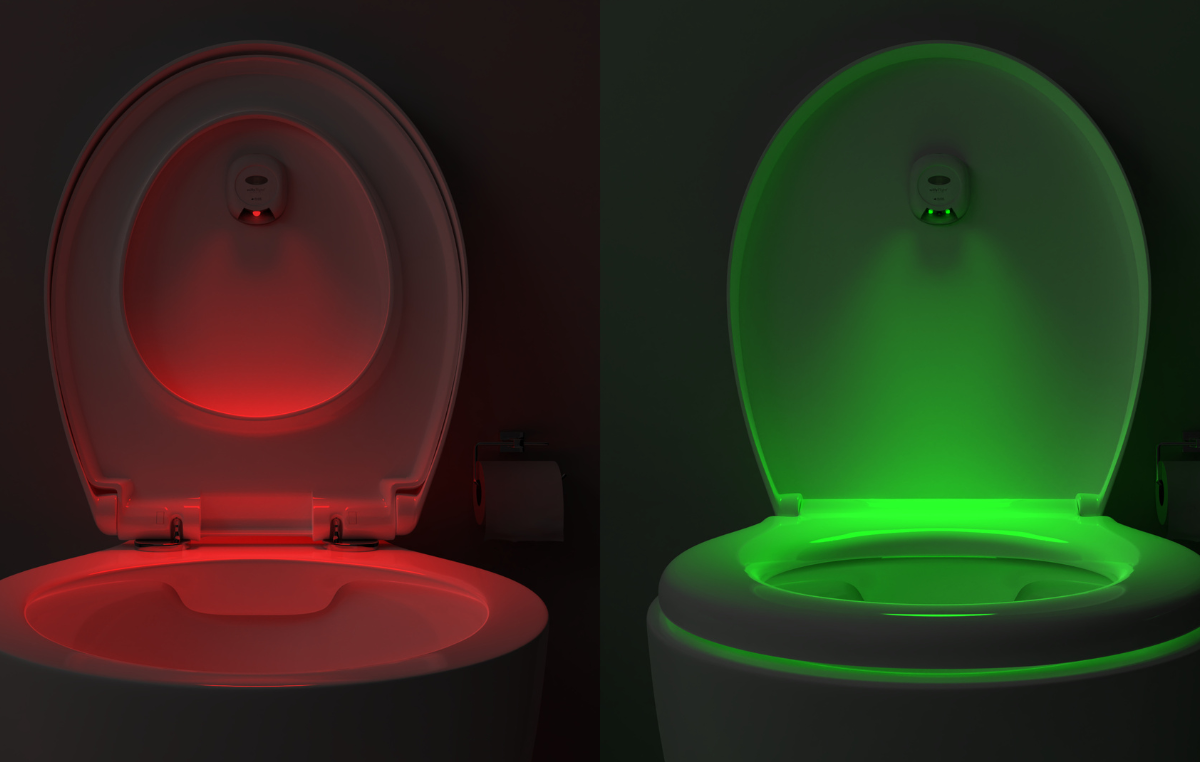
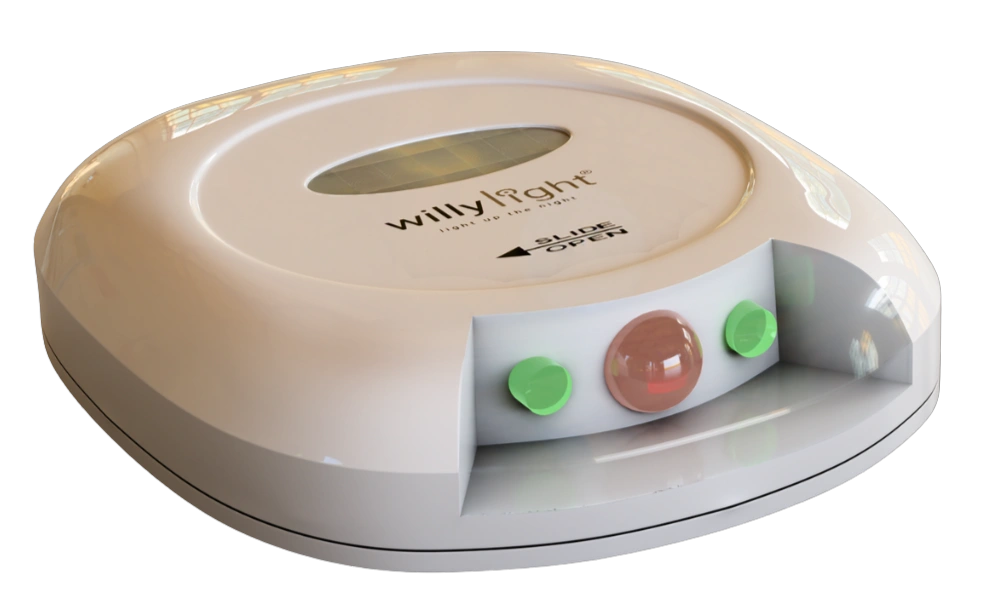
Products like the WillyLight bring this exact same principle specifically to nighttime toilet visits, activating automatically as you approach and switching off again as you leave, with nothing at all requiring physical contact throughout the entire process.
A Practical Case for Bringing This Into Your Own Home
You do not need to renovate an entire bathroom to apply this thinking. Starting with the single most frequently touched surface, the light switch, and replacing it with an automatic alternative delivers a meaningful hygiene improvement for a very modest cost. The WillyLight is priced at $39.99 with free shipping, is individually tested before it ships, and comes with a 30 day money back guarantee, making it an easy and low risk first step toward bringing the same hygiene logic already standard in hospitals and commercial buildings into your own household bathroom.
Cost Has Historically Been the Biggest Barrier
For many years, the main reason motion sensor fixtures remained largely confined to commercial buildings was simple cost. Commercial grade motion sensor taps and dispensers were priced for large scale installation budgets, not individual households, and retrofitting an entire home bathroom with sensor equivalents was rarely practical or affordable for most families. That equation has shifted considerably as component costs have fallen and manufacturing has scaled up, making individual, targeted products considerably more accessible than a full commercial retrofit ever was.
Where to Start if You Are Not Ready for a Full Retrofit
You do not need to replace every tap and switch in the house to benefit from this shift. Starting with the single highest touch, lowest hygiene surface in the bathroom, the light switch used during nighttime visits, delivers a meaningful improvement on its own. From there, households can consider motion sensor soap dispensers or taps as budget allows, gradually working toward a genuinely lower touch bathroom over time rather than needing to commit to a single large project all at once.
Looking Ahead
As motion sensor technology continues to become cheaper and more widely available, it is likely that touch free fixtures will become increasingly standard in new home builds and bathroom renovations, much as they have already become standard in commercial construction. For households not planning a full renovation any time soon, targeted, low cost additions like a motion sensor toilet light offer a way to capture much of that same hygiene benefit right now, without waiting for a larger project.
A Simple First Step Worth Taking Today
Given how affordable and straightforward a single motion sensor light installation actually is, there is very little reason to wait for a full bathroom renovation before making this particular change. The WillyLight, priced at $39.99 with free shipping and backed by a 30 day money back guarantee, offers a genuinely low risk way to bring commercial grade hygiene thinking into an ordinary household bathroom today, rather than treating it as a distant future upgrade.
What This Means for Families With Young Children
Households with young children stand to benefit particularly strongly from reduced touchpoints, since children are both more likely to touch surfaces with unwashed hands and more susceptible to picking up illnesses from contaminated surfaces in the first place. A motion sensor light in a family bathroom removes one of the most frequently touched surfaces from the equation entirely, without requiring a young child to remember any additional hygiene step at all.
A Trend Worth Watching
As awareness of touchpoint related hygiene continues to grow, particularly following heightened public attention to infection control in recent years, it seems likely that more households will begin adopting motion sensor fixtures proactively, rather than only encountering the technology in commercial or healthcare settings. Getting ahead of that trend with a simple, targeted change like a motion sensor toilet light is a low cost way to bring a household’s hygiene standards in line with what has already become best practice elsewhere.
A Modest Change With an Outsized Benefit
It is easy to overlook how much of a difference a single, well chosen change can make to overall household hygiene. Removing just one frequently touched surface from daily use, the bathroom light switch, addresses a genuine, measurable risk factor for very little cost or effort, which is precisely why this particular change has become such a common recommendation among those who study infection control closely.
What to Look for When Choosing a Motion Sensor Product
Not all motion sensor products are built to the same standard. Checking for a reasonable detection range, a sensible automatic shut off time, and genuine water resistance for anything installed in a bathroom environment helps ensure the product performs reliably over the long term, rather than needing early replacement due to moisture damage or an overly sensitive or unresponsive sensor.