Most people assume the toilet seat is the single dirtiest surface in the bathroom. In reality, several other surfaces carry considerably more bacteria, largely because they are touched constantly throughout the day and cleaned far less often than most people would expect.
The Real Culprits
- The light switch. Touched with wet or unwashed hands multiple times a day, and very rarely disinfected as part of a normal cleaning routine.
- The toothbrush holder. Sits in a consistently damp environment right next to an open toilet, making it a common site for bacterial growth that most people never think to check.
- Bath mats. Trap moisture and skin cells and are typically washed far less frequently than towels, despite sitting directly on the floor where feet make contact.
- Tap handles. Touched before hands are actually washed, every single time, which makes them a reliable transfer point for whatever was on your hands beforehand.
- Your phone, if you bring it into the bathroom. Often the single dirtiest item in the entire room, and rarely cleaned with anything close to the frequency it deserves.
The Seat Is Not Entirely Innocent Either
While it is not the worst offender on this list, the toilet seat and the area immediately surrounding it still matter, particularly in the context of the toilet plume effect, the fine mist of aerosolised water released with every flush, which travels considerably further than most people realise and settles on nearby surfaces over time.
The Pattern Worth Noticing
Almost every hotspot listed here is touched specifically because it is dark and someone needs a way to see what they are doing. Light switches, in particular, get touched with unwashed, half asleep hands precisely because there is no other practical way to see in a dark bathroom. Removing that need entirely is a genuinely useful hygiene upgrade, and one that most households have never actually considered.
Reducing the Number of Touchpoints in Practice
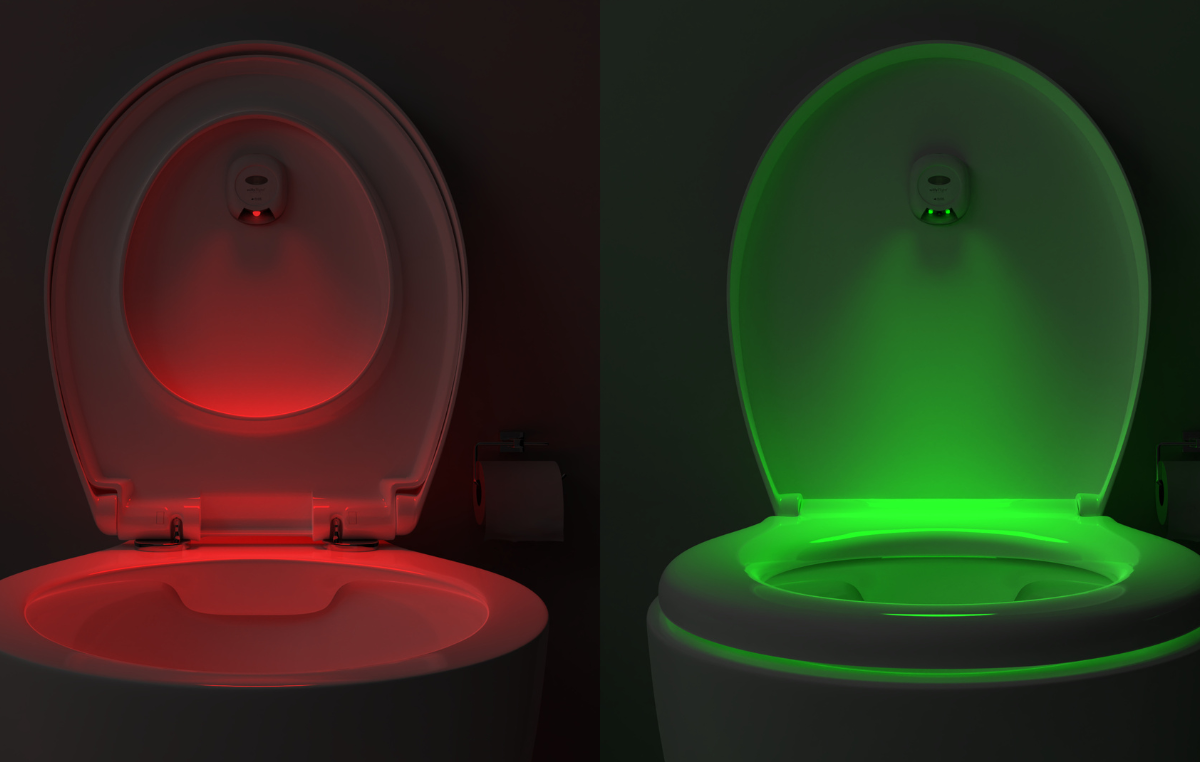
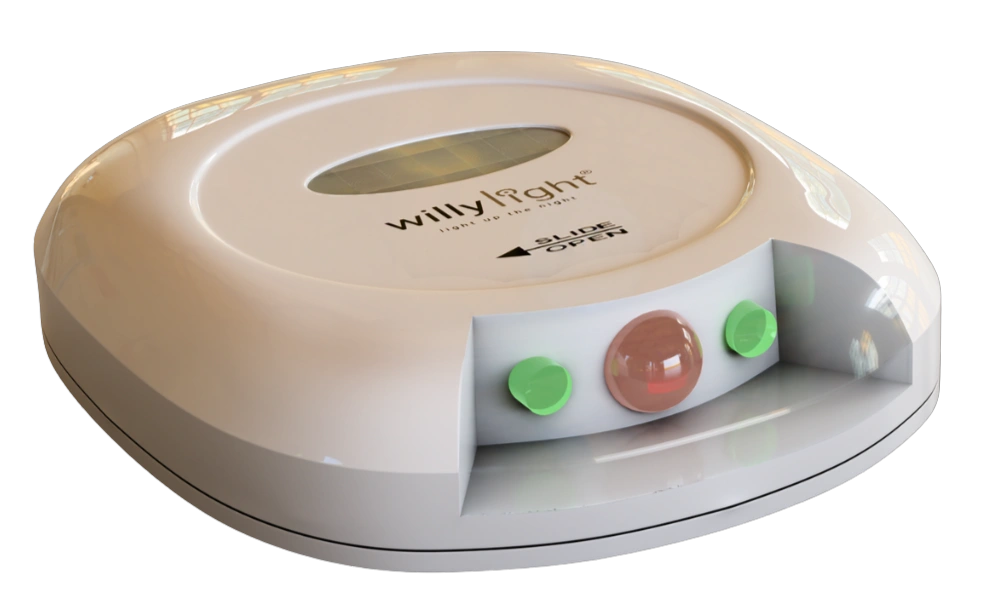
A motion activated light such as the WillyLight means one less switch that anyone in the household needs to touch, day or night, before or after washing their hands. It attaches to the underside of the toilet lid and uses electronic sensors to detect presence automatically, removing the light switch from the list of hotspots entirely rather than simply cleaning it more often.
How Often Each Hotspot Should Actually Be Cleaned
Given how frequently these surfaces are touched, a genuinely effective approach involves cleaning them considerably more often than most households currently do. Light switches and tap handles benefit from a quick wipe down daily rather than weekly, given how many times they are touched between cleans. The toothbrush holder should ideally be rinsed and dried daily, with a more thorough clean or dishwasher cycle weekly. Phones, if brought into the bathroom at all, deserve a wipe with an appropriate screen safe cleaner at least once a day, given how frequently they travel between hands, faces and surfaces throughout a normal day.
A Simple Household Test
If you want a genuinely eye opening demonstration of how these hotspots compare to the toilet seat, try this simple test. Note down how many times a day each surface on this list is actually touched, realistically, across the whole household, versus how many times it is cleaned each week. For most households, the gap between touch frequency and cleaning frequency is far larger for the light switch and toothbrush holder than it ever is for the toilet seat itself, which tends to shift how people prioritise their cleaning routine once they see the numbers laid out clearly.
A More Realistic Cleaning Priority List
Given the pattern above, it is worth reprioritising which surfaces get the most attention during a typical clean. Light switches, tap handles and the toothbrush holder deserve at least as much regular attention as the toilet itself, if not more, given how frequently they are touched and how rarely they are actually cleaned in most households.
Reducing Touchpoints as a Long Term Strategy
Beyond simply cleaning more often, reducing the number of times a surface needs to be touched in the first place is a more sustainable long term strategy. This is the thinking behind the growing popularity of motion sensor taps, soap dispensers and lighting in both commercial and residential settings, removing the touchpoint entirely rather than relying on consistent, diligent cleaning to manage the bacteria it accumulates.
Why Awareness Changes Behaviour Naturally
Simply knowing which surfaces carry the most bacteria tends to change behaviour without any conscious effort required. Once someone genuinely understands that a light switch is likely dirtier than the toilet seat itself, they are naturally more inclined to wash their hands before touching other surfaces afterward, or to wipe the switch down more regularly as part of their normal routine, even without being specifically reminded to do so each time.
A Practical Weekly Checklist
- Wipe the light switch and door handle with a disinfectant wipe.
- Rinse and dry the toothbrush holder thoroughly.
- Wash the bath mat on a hot cycle.
- Wipe tap handles specifically, not just the surrounding sink area.
- Clean any phone or device regularly brought into the bathroom.
Working through this short checklist alongside a normal bathroom clean takes only a few extra minutes but addresses the surfaces most likely to actually be spreading bacteria around the household on a daily basis.
Rethinking What Actually Counts as Clean
A bathroom can look spotless, freshly wiped counters, a sparkling mirror, a clean smelling toilet, while the genuinely dirtiest surfaces in the room remain untouched simply because they do not look visibly dirty. Shifting the mental model from cleaning what looks dirty to cleaning what is actually touched most often is the single biggest change most households can make to genuinely improve bathroom hygiene, and it costs nothing beyond a slightly different cleaning routine.
A Broader Lesson for the Rest of the Home
The same touch frequency versus cleaning frequency gap identified in the bathroom often exists throughout the rest of the home as well, including kitchen tap handles, fridge door handles and remote controls. Applying the same reprioritisation logic beyond just the bathroom is a useful broader hygiene habit worth adopting once the pattern becomes clear.