If you have ever found yourself needing to replace or wash a bathroom mat on a near daily basis, you already know it is not really a cleaning problem, it is a moisture and accuracy problem, and cleaning alone will never fully solve it.
Why Bath Mats Get So Dirty, So Fast
Bath mats sit in one of the most consistently damp spots in the entire house, positioned right next to the toilet, and absorb everything from ordinary shower runoff through to the occasional nighttime miss. Moisture combined with organic material creates an ideal environment for bacterial and mould growth, which is exactly why mats so often develop an unpleasant smell well before they even look visibly dirty to the eye.
The Daily Replacement Trap
Some households end up replacing or washing mats on a near daily basis simply because of consistent dampness near the toilet base, frequently caused by nighttime visits made in the dark or in poor lighting. It is an understandable workaround, but it is ultimately treating a symptom rather than addressing the underlying cause, and it quietly adds up in time, laundry and ongoing cost over the course of a year.
Better Long Term Options
- Choose quick dry, machine washable mats rather than plush styles that hold onto moisture for extended periods.
- Use two mats on rotation so one is always clean and dry while the other is airing out properly.
- Improve bathroom ventilation to reduce overall ambient humidity throughout the room, not just around the mat itself.
- Address the actual source of the moisture directly, rather than simply managing the mat’s condition after the fact.
Fixing the Cause, Not Just the Mat
For a great many households, the real driver behind a consistently damp mat is simply reduced accuracy during nighttime visits made in low light or complete darkness. One WillyLight customer summed this up rather neatly, noting that the mats around the toilet bowl no longer needed to be replaced daily once the light was installed, and that his wife was particularly happy about that specific change.
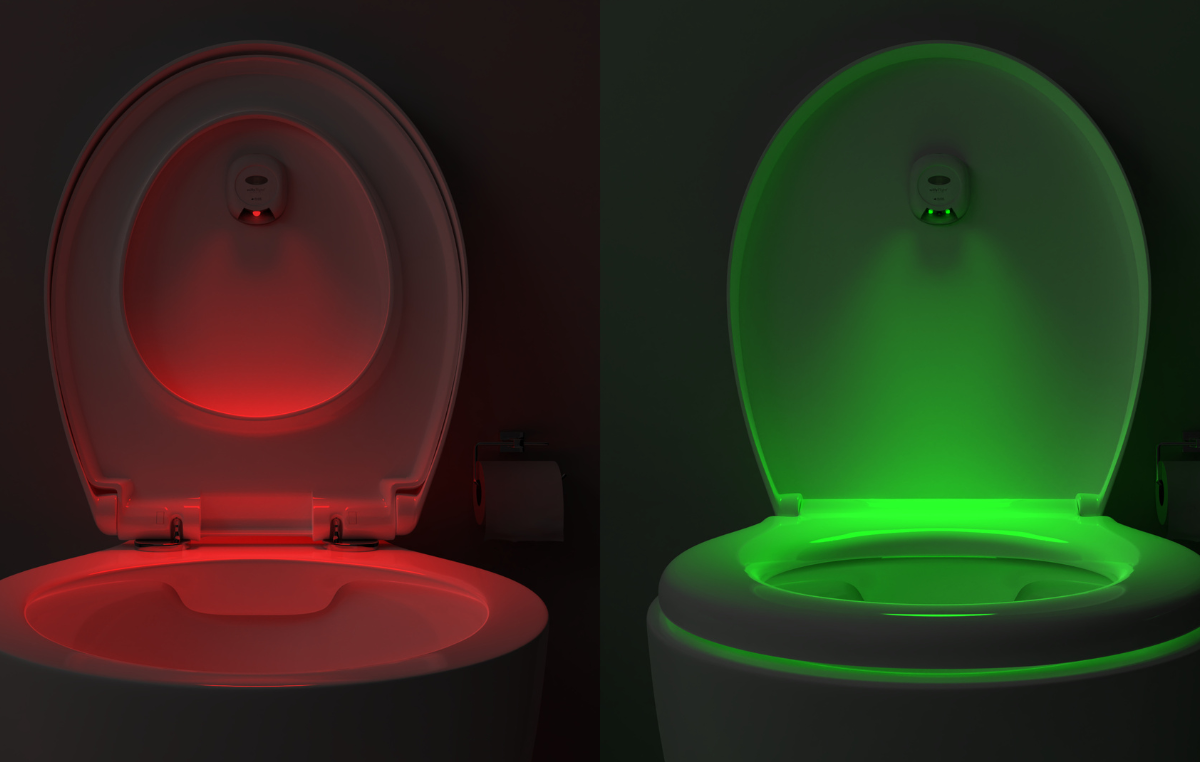
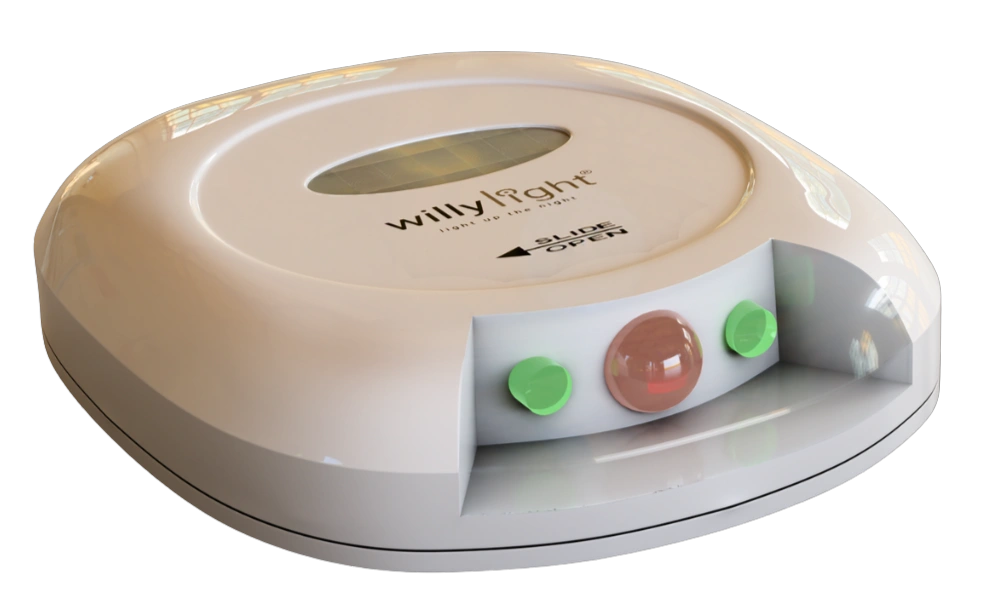
A soft, accurately aimed guide light, such as the WillyLight, solves the accuracy problem directly at its source, which in turn means considerably less moisture reaches the mat in the first place, rather than simply cleaning up more effectively after the fact.
Deciding Whether You Even Need a Mat at All
For some households, particularly those with hard, non slip flooring already in place, ditching the bath mat entirely and relying on good ventilation and quick clean up habits may actually be the simpler long term solution. Whichever route you choose, addressing the root cause of the moisture, rather than simply reacting to it after the fact, tends to produce the most lasting improvement with the least ongoing effort required.
How to Properly Wash a Bath Mat
When it does come time to wash a bath mat, a hot wash cycle is generally more effective at killing bacteria and mould spores than a cold or warm cycle, provided the mat’s care label allows for it. Adding a cup of white vinegar to the wash can help break down soap scum and mineral buildup that ordinary detergent alone does not always fully remove. Drying the mat fully and promptly after washing, rather than leaving it damp in a laundry basket, prevents the same bacterial and mould growth cycle from simply restarting immediately after cleaning.
Signs a Mat Has Reached the End of Its Useful Life
Even with good care, bath mats do not last indefinitely. A persistent odour that returns within a day or two of washing, a rubber backing that has become brittle or is peeling away from the fabric, or visible discolouration that does not lift with washing are all signs that a mat is due for replacement rather than another round of cleaning. Continuing to use a mat well past this point tends to reintroduce the same bacteria and odour problems no matter how diligently it is washed.
Bringing It All Together
A genuinely fresh, low maintenance bathroom mat setup usually comes down to three things working together, choosing a quick drying, easily washable mat in the first place, maintaining good bathroom ventilation to reduce ambient humidity, and addressing the underlying source of excess moisture, which for many households means improving nighttime lighting and aim accuracy rather than simply replacing the mat itself on a repeating cycle.
A Small Investment That Reduces Ongoing Costs
When the daily or near daily cost of replacing or washing bath mats is added up over a full year, including both the time spent and the wear on the mats themselves, it often comes to considerably more than most households would expect. Addressing the root cause directly, through better lighting and improved nighttime accuracy, represents a modest upfront cost that tends to pay for itself many times over through reduced laundry, fewer replacement mats, and simply less ongoing hassle in general.
A Final Practical Tip
If moisture near the toilet base continues to be an issue even after trying the changes covered here, it is worth checking that the toilet itself is properly sealed to the floor, since a failing wax ring or loose connection can sometimes be mistaken for a nighttime accuracy problem when the actual source is a slow, ongoing leak. Ruling this out early saves considerable frustration if the mat and lighting changes alone do not fully resolve the issue.
Bringing the Bathroom Back Under Control
A damp, frequently replaced bath mat is rarely an unsolvable problem, it is usually a small handful of contributing factors, moisture, ventilation and nighttime accuracy, all needing modest, individually simple adjustments. Addressing all three together tends to resolve the issue far more completely than tackling any single factor alone, and often ends up saving considerably more time and money over the course of a year than most households initially expect.
A Word on Cost Over Time
Replacing a bath mat every few months due to persistent dampness and odour adds up to a meaningful ongoing cost when tallied across a full year, particularly for households with more than one bathroom. Addressing the underlying moisture source directly is generally the more cost effective long term approach compared with repeatedly replacing mats that never get the chance to fully dry out between uses.