Every time a toilet is flushed with the lid left open, it does not simply clear the bowl and disappear. It aerosolises a fine mist of water droplets directly into the surrounding air, a phenomenon researchers have termed the toilet plume effect, and it is a good deal more far reaching than most people would ever assume.
What the Research Actually Shows
Studies using high speed cameras and laser based measurement techniques have shown that flushing can propel fine droplets more than a metre into the air, with some remaining suspended for several minutes before finally settling on nearby surfaces, including toothbrushes, hand towels, countertops and the surrounding floor.
These droplets can carry bacteria and, in certain circumstances, viral particles, particularly in shared bathrooms or in households where someone is currently unwell. This is a significant part of why infection control guidelines in hospitals and other healthcare settings almost universally require the lid to be closed before flushing, regardless of how minor or routine the visit might have been.
Why This Matters in an Ordinary Household
Most people never think twice about flushing with the seat up, particularly at night when they are half asleep and simply want to get back to bed as quickly as possible. Over time, however, a habit of open lid flushing means that your toothbrush, hand towel and surrounding bathroom surfaces are receiving a regular, low level dusting of aerosolised toilet water, day after day, without anyone in the household really noticing.
A Simple Two Part Fix
- Close the lid before you flush. This single change alone dramatically reduces the spread of the plume in almost every household setting.
- Make seat down the default, especially at night. This is precisely the moment people are least likely to remember either step, given how tired and distracted most people are during a nighttime bathroom visit.
Why Consistency Is Harder Than It Sounds at Night
In daylight, closing the lid before flushing is a fairly easy habit to maintain. At two in the morning, half asleep and keen to get back to bed, it is one of the first small habits to slip. A visual cue tends to help far more than a mental note ever will under these conditions.
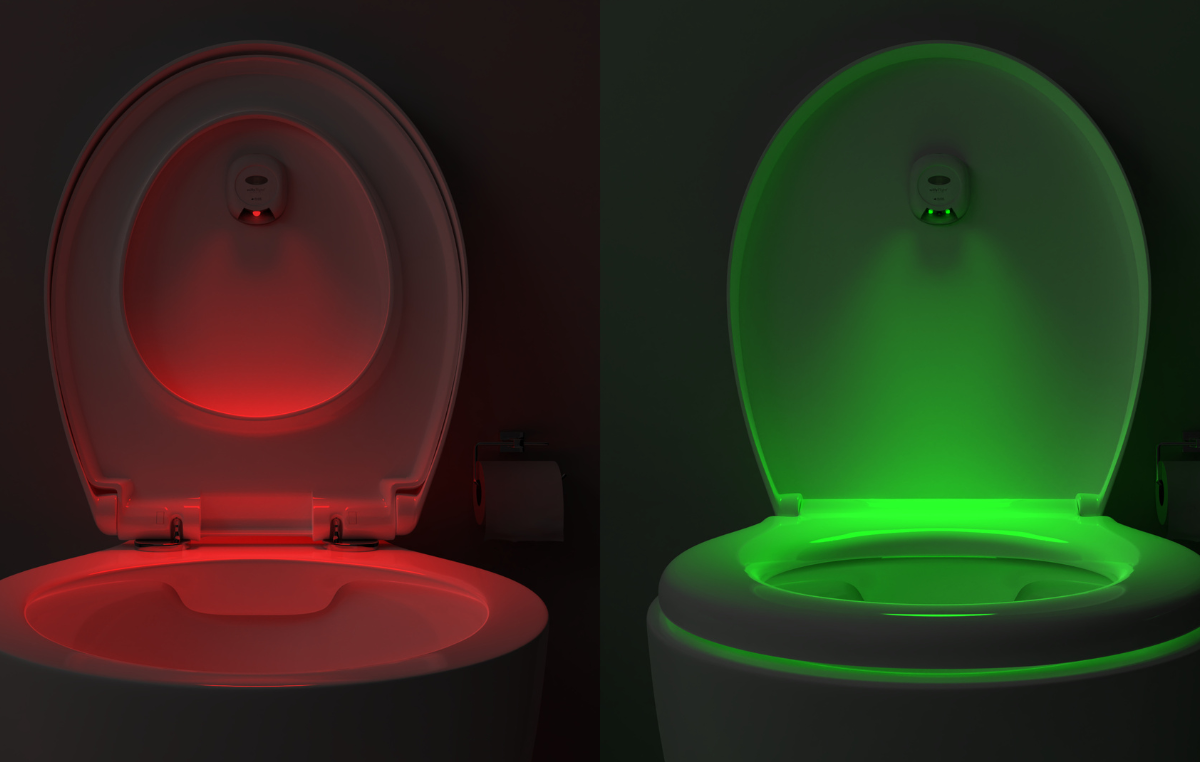
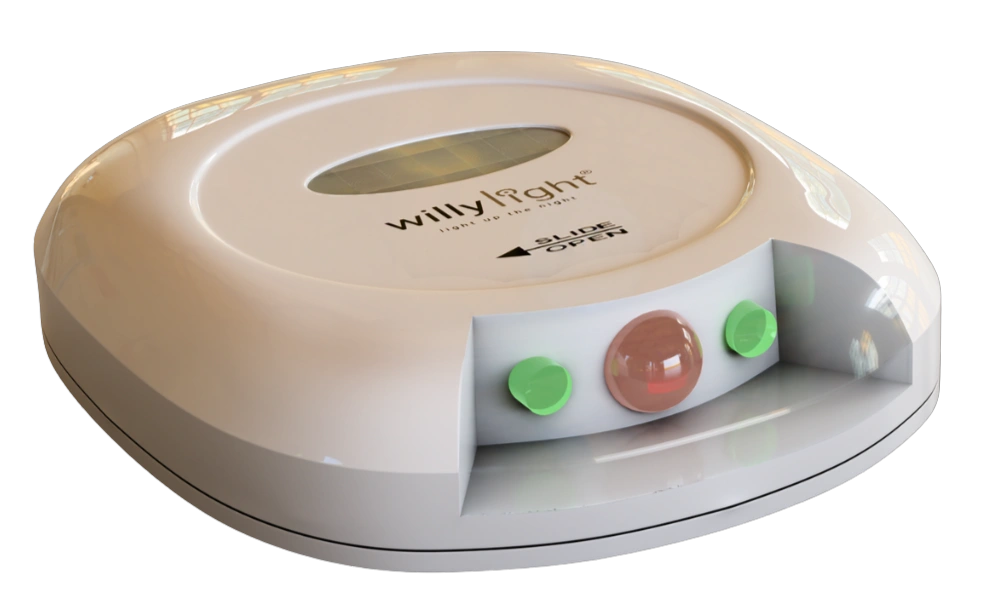
The WillyLight glows red when the toilet seat is up, giving a clear, automatic prompt to put it back down, which, as a helpful side effect, makes remembering to close the lid before flushing a considerably easier habit to build and maintain consistently, even at the least alert moments of the day.
What About Public and Shared Bathrooms
The toilet plume effect is not limited to the home, and it is a significant reason many public health guidelines recommend covering the mouth of hand towels or tissues when reaching for them in a public bathroom immediately after a flush, and why some commercial buildings have moved toward automatic lid closing mechanisms in high traffic facilities. While you cannot control the habits of others in a shared or public setting, understanding the mechanism at least explains why washing hands thoroughly after any bathroom visit, rather than just after visible contact, remains such a consistently emphasised piece of hygiene advice.
Items Worth Relocating Away From the Toilet
Given how far the plume can travel, it is worth reviewing what is actually stored within a metre or so of the toilet in your own bathroom. Toothbrushes left uncovered on an open shelf, razors, and any items that come into direct contact with the mouth or broken skin are the highest priority to relocate or cover, ideally inside a cabinet or drawer rather than left out in the open on a shared shelf or windowsill.
A Small Change With a Genuine Hygiene Payoff
Adopting the seat down habit, supported by a clear visual reminder rather than relying purely on memory, is one of the simplest and lowest cost hygiene improvements available for an ordinary household bathroom. The WillyLight is 100% Australian owned and operated, individually tested before it ships, and comes with a 30 day money back guarantee, making it a low risk way to build this particular habit into your household’s nightly routine without having to think about it consciously every single time.
Bringing the Whole Household on Board
Hygiene habits like this tend to work best when the whole household adopts them together rather than just one person trying to maintain the standard alone. Explaining the toilet plume effect clearly to other household members, including older children, tends to make the seat down habit feel like a sensible, evidence based practice rather than an arbitrary rule being enforced without explanation, which generally improves how consistently it is actually followed over time.
How This Compares to Other Everyday Hygiene Habits
The toilet plume effect sits alongside a handful of other everyday hygiene habits that most people know about in theory but rarely think through in practice, such as washing hands after touching a phone, or replacing a toothbrush after being unwell. None of these habits require special equipment or significant effort, they simply require a moment of awareness at the right time, which is precisely why visual or environmental prompts, like a light that reminds you the seat is up, tend to be far more effective at building the habit than relying on memory or good intentions alone.
A Habit Worth Passing On
Once established, the seat down before flushing habit tends to stick for good, and it is a genuinely useful thing to model for children early on, since habits formed in childhood around bathroom hygiene tend to carry through into adulthood far more reliably than habits introduced later in life. A household that treats this as simply how things are done, rather than an occasional reminder, ends up with a meaningfully more hygienic bathroom over the long run with very little ongoing effort required.
A Final Practical Reminder
The toilet plume effect is a good example of a genuine hygiene risk that is invisible in daily life yet backed by solid research, and it costs nothing to address once the seat down before flushing habit is properly established. Combined with a clear visual cue rather than relying purely on memory, it is one of the simplest, lowest cost hygiene improvements available to any household.