Bathrooms accumulate bacteria faster than almost any other room in the house, largely because they combine the three conditions bacteria thrive on simultaneously, moisture, warmth and frequent physical contact. Cleaning only when it visibly looks dirty is not really a schedule at all, it is more of a gamble, and one that tends to favour the bacteria rather than the household.
Daily
- Wipe down the sink and taps after use.
- Hang towels so they can dry fully, rather than leaving them bunched up on a rail or hook.
- Squeegee the shower glass or tiles if your home has hard water, to prevent mineral buildup and mould.
Weekly
- Scrub the toilet bowl, seat and base thoroughly. The base and the surrounding floor are consistently the most overlooked spots in a typical cleaning routine.
- Clean the shower or bathtub properly, rather than a quick rinse.
- Wash bath mats, which trap moisture and bacteria more readily than most people expect.
- Wipe down light switches, door handles and taps, all high touch surfaces that rarely receive dedicated attention.
Monthly
- Deep clean the exhaust fan and surrounding vents. Dust buildup reduces their effectiveness at controlling moisture, which in turn drives mould growth.
- Descale the showerhead to maintain proper water flow and prevent bacterial buildup inside it.
- Wash the shower curtain or liner.
- Clean behind and underneath the toilet itself, an area very few households check regularly.
Every Two to Three Months
- Replace the toothbrush holder or run it through the dishwasher on a hot cycle.
- Check under the sink for slow leaks or the early signs of mould developing out of sight.
- Replace bath mats that are showing signs of wear.
The Overlooked Hygiene Factor: Nighttime Habits
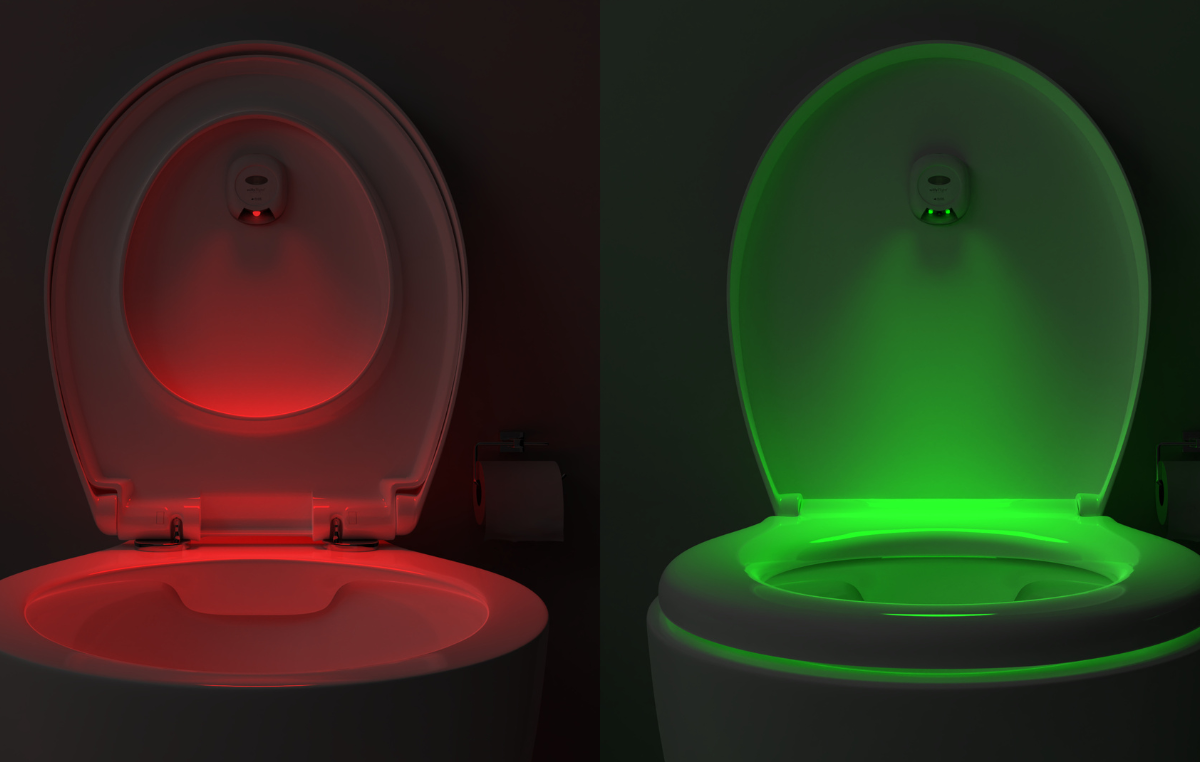
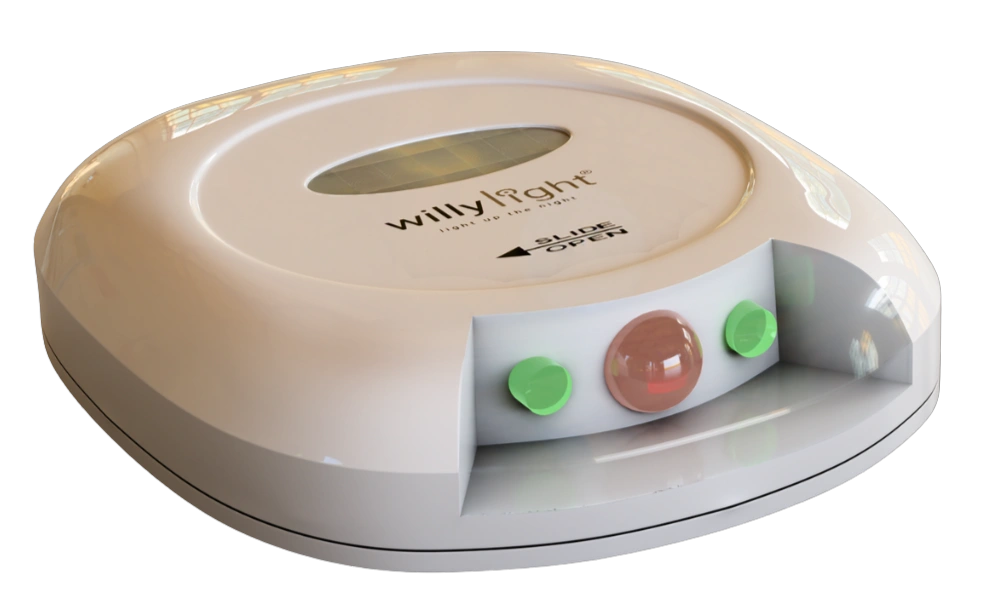
A well maintained cleaning schedule only goes so far if nighttime habits are quietly working against it in between cleans. Flushing with the lid up, leaving the seat in the wrong position, and touching multiple switches in the dark all contribute to spreading bacteria around the room faster than a normal cleaning routine can keep up with. Small changes, such as closing the lid before flushing and using a motion activated light like the WillyLight instead of touching a switch with unwashed hands, reduce the amount of contamination your cleaning routine has to deal with in the first place.
Choosing the Right Products for Each Task
Not every cleaning task requires the same product, and using the wrong one can actually reduce effectiveness. A general bathroom spray is usually sufficient for daily wipe downs, but the toilet bowl itself benefits from a dedicated toilet cleaner with a longer contact time to properly address limescale and bacterial buildup below the waterline. For mould prone areas such as grout and sealant, a specific mould and mildew treatment tends to outperform an all purpose cleaner considerably, particularly in bathrooms with poor ventilation.
Signs Your Current Schedule Is Not Keeping Up
A few warning signs suggest a cleaning schedule needs tightening up. A persistent musty smell that returns within a day or two of cleaning usually points to a ventilation issue rather than a cleaning frequency issue. Visible pink or black spots in grout lines or around the shower recess indicate mould has already established itself and will need a more thorough initial treatment before a normal maintenance schedule can keep it under control. A consistently damp bath mat, discussed in more detail in our related article on bathroom mat hygiene, often points to a moisture source that a cleaning schedule alone cannot fully resolve.
Building a Routine That Actually Sticks
The schedule above is not meant to be followed rigidly to the day, but it does provide a useful framework for spreading bathroom hygiene tasks out sensibly rather than tackling everything in one overwhelming session. Pairing a sensible cleaning schedule with a few smart hygiene habits, including automatic, touch free lighting, tends to keep the room noticeably fresher between cleans than either approach manages on its own.
Making the Schedule Realistic for Busy Households
For households where a full weekly clean genuinely is not realistic every single week, it is far better to maintain a shorter, consistent daily routine, wiping down the sink, hanging towels properly, and a quick toilet wipe, than to let everything slide until a single large monthly clean. Bacteria and mould both benefit from consistent, undisturbed conditions, so even small, frequent interruptions to that environment through daily habits go a long way toward keeping the room genuinely hygienic between the more thorough weekly and monthly sessions.
Adjusting the Schedule for Larger Households
A bathroom used by a single person accumulates grime and bacteria at a noticeably slower rate than one shared by a large family, and cleaning frequency should scale accordingly. Households with several people sharing one bathroom, particularly with young children or teenagers, often find that shifting several of the weekly tasks listed above to a twice weekly schedule keeps the room feeling genuinely fresh, rather than constantly playing catch up against a higher volume of daily use.
A Quick Reference Summary
Daily tasks focus on wiping down frequently touched surfaces and keeping things dry. Weekly tasks tackle the toilet, shower and floor properly. Monthly tasks address ventilation, showerheads and areas that build up more gradually. Every two to three months, it is worth checking less visible spots such as under the sink and replacing worn items like toothbrush holders and bath mats. Following this rhythm consistently, rather than cleaning reactively only when the bathroom visibly needs it, keeps bacteria levels considerably lower throughout the entire month.
Making the Habit Stick
The households that maintain a genuinely clean bathroom over the long term are rarely the ones with the most elaborate cleaning products or the most time available. They are simply the ones who have built the schedule above into a predictable weekly rhythm, so that each task happens at roughly the same time each week without requiring a fresh decision or a burst of motivation every single time.
A Note on Ventilation
No cleaning schedule, however thorough, fully compensates for poor bathroom ventilation. Running an exhaust fan during and for a period after showering, or opening a window where possible, reduces the ambient humidity that drives mould growth in the first place, meaning less frequent and less intensive cleaning is needed to keep the room looking and smelling fresh between scheduled sessions.