Falls are one of the leading causes of injury related hospitalisation for older Australians, and a disproportionate number of them happen specifically during nighttime bathroom trips. The combination of darkness, drowsiness and an unfamiliar path back to bed creates exactly the conditions in which a fall becomes most likely.
Why Nighttime Specifically Carries a Higher Risk
- Reduced alertness. Being woken from sleep temporarily impairs reaction time and balance, even in people who are otherwise perfectly mobile during the day.
- A difficult lighting trade off. Many people deliberately avoid turning on a bright light in order to protect their sleep, which trades one risk, a fully disrupted sleep cycle, for another, navigating in the dark.
- Blood pressure changes on standing. Standing up quickly after lying down can cause a temporary drop in blood pressure, known as orthostatic hypotension, and this effect becomes more pronounced with age.
- Unfamiliar obstacles. Rugs, pets or furniture that are easy to navigate around in daylight quickly become genuine hazards once the lights are off.
What Actually Reduces the Risk
Occupational therapists and falls prevention programs consistently recommend a handful of specific changes for bathrooms in particular, including grab rails near the toilet and shower, non slip mats and flooring, a clear and obstacle free path from bed to bathroom, and low level, automatic lighting that removes the need to choose between no light at all and a jarringly bright switch.
Where Automatic Lighting Fits In
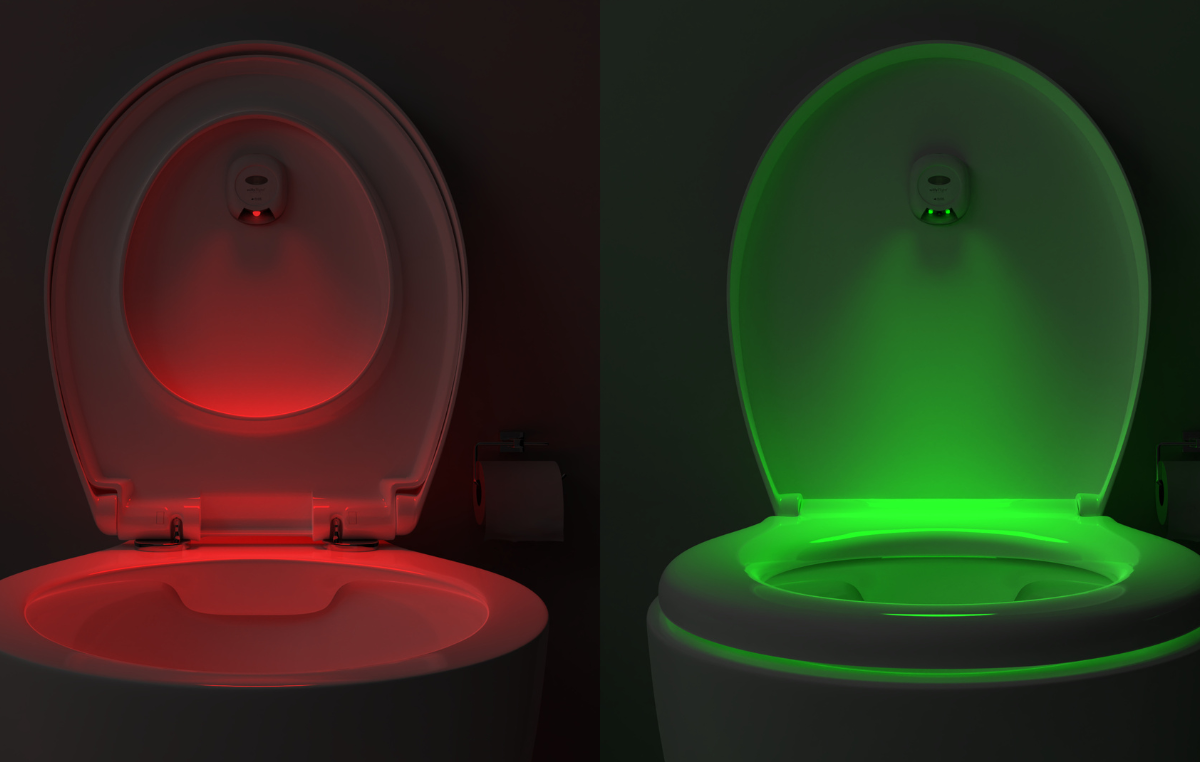
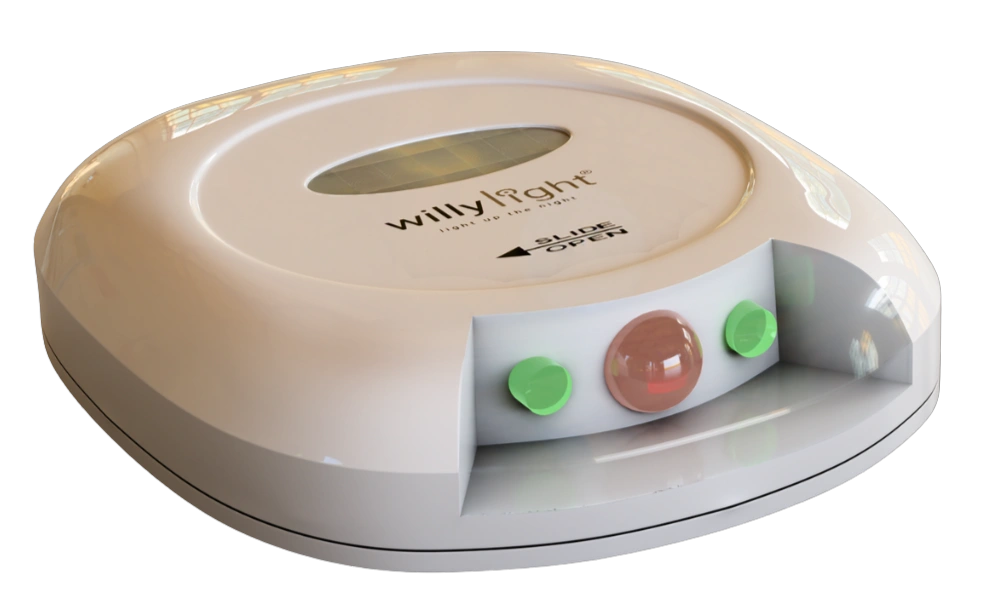
Motion sensor lighting solves the specific dilemma that leads many older adults to skip bathroom lighting altogether. It does not require finding a switch in the dark, and it does not produce the sudden brightness that disrupts sleep and, somewhat ironically, actually increases disorientation upon returning to bed. The WillyLight was developed with exactly this use case in mind, alongside its broader role as a general sleep aid for the whole household.
Phil B, one of the very first people to test the WillyLight back in early 2019, described it as dependable, noting that the light comes on immediately whenever he approaches the bathroom, with no other guidance needed at all. He went on to say that he had settled into a genuine routine with the light over time, and that he would feel lost without it now, particularly on nights when he is, in his own words, dog tired.
A Practical Starting Point
If you are setting up a bathroom for an older parent or family member, lighting is genuinely one of the cheapest and easiest changes available on a typical falls prevention checklist. It requires no renovation, no electrician and no ongoing maintenance beyond the occasional battery change, yet it directly addresses one of the single highest risk moments in a typical day for many older Australians.
What Happens Physiologically During a Fall
Understanding why nighttime falls tend to be more serious than daytime ones helps explain why prevention matters so much. Reaction time and muscle response are both measurably slower immediately after waking, meaning the body has less capacity to correct a stumble or catch a fall before it happens. Combined with reduced visibility and the disorientation that comes from being woken from sleep, a minor trip that might be easily corrected during the day can escalate into a genuine fall at night, sometimes with consequences serious enough to require hospital treatment, particularly for older adults with reduced bone density.
Talking to a Reluctant Parent or Partner About Fall Risk
Raising the topic of fall risk with an older parent or partner can feel delicate, since it sometimes lands as a suggestion that they are becoming frail or losing independence, which is rarely a welcome message. Framing the conversation around convenience and comfort, rather than risk and vulnerability specifically, tends to land considerably better. Suggesting a soft, automatic light because it makes nighttime trips more pleasant and easier to manage, rather than because of a fall risk, often achieves the same practical outcome without the emotional friction that a more clinical framing can sometimes create.
Bringing It Together With a Broader Safety Plan
Lighting alone will not eliminate every fall risk in a bathroom, and it works best as part of a broader plan that also includes grab rails, non slip flooring and a genuinely clear path from bed to bathroom. But of all the items typically recommended, automatic lighting tends to be the fastest, cheapest and least disruptive to implement, making it a sensible first step for any household beginning to think seriously about nighttime bathroom safety.
A Realistic First Step This Week
If a full home safety assessment feels like a bigger project than you are ready to take on right now, installing a single automatic bathroom light is a genuinely achievable starting point that can be completed within a single evening. It addresses the single highest risk moment of the day directly, and often makes the biggest, most immediately noticeable difference of any single item on a typical falls prevention checklist.
The Broader Cost of a Fall Beyond the Physical Injury
Beyond the immediate physical injury, a fall can have significant flow on effects for an older person’s confidence and independence. Many older adults become noticeably more cautious and less physically active after a fall, even a relatively minor one, sometimes leading to a broader decline in mobility and independence that extends well beyond the original injury itself. This is part of why falls prevention is considered such a high priority area in aged care, since preventing the first fall often does more to preserve long term independence than any amount of rehabilitation after the fact.
Sharing This Information With Others
If you have found this information useful, it is worth sharing with other family members who may be caring for or living with an older relative, since awareness of the specific nighttime risk factors covered here is not something most people think about proactively until after an incident has already occurred. A brief conversation now, prompted by this kind of information rather than an actual fall, is a considerably better starting point for making changes.