Important note. NDIS rules and support categories are subject to change, and recent years have seen significant reform activity. Please confirm current eligibility with your plan manager, support coordinator, or the NDIS directly before purchasing any item with the expectation of funding.
How Assistive Technology Fits Into an NDIS Plan
Assistive technology, commonly shortened to AT, refers to any device or piece of equipment that helps a person with disability perform daily activities more safely or independently. Within an NDIS plan, AT is generally funded under either the Core Supports or Capital Supports budget, depending on the cost and complexity of the specific item in question.
- Low cost AT, generally items under a few hundred dollars, is typically funded through the Core budget’s consumables category and usually does not require special approval. Items commonly falling into this category include grab rails, non slip mats and adaptive lighting.
- Higher cost or custom AT, such as wheelchairs, home modifications or specialised equipment, usually sits under Capital Supports and generally requires a formal quote and assessment, often from an occupational therapist.
Home Safety Items Commonly Considered Under Low Cost AT
- Grab rails.
- Non slip mats and flooring aids.
- Raised toilet seats.
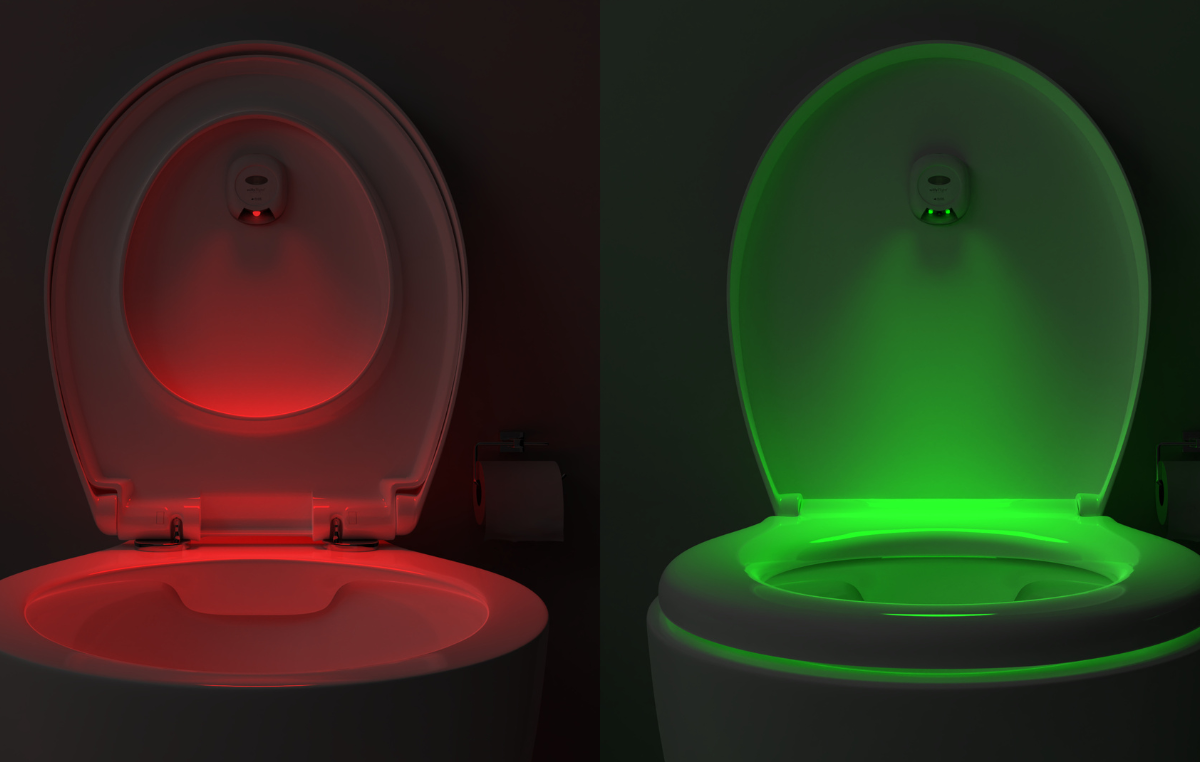
- Automatic or motion sensor lighting for high fall risk areas such as bathrooms and hallways.
- Perimeter and pathway lighting more generally.
The Reasonable and Necessary Test
Whatever the specific item under consideration, the NDIA assesses whether a support is reasonable and necessary, broadly meaning whether it relates directly to the person’s disability, represents genuine value for money, and is likely to be effective in achieving its intended purpose. A recommendation from an occupational therapist, or documentation clearly linking a specific fall risk to the participant’s disability, generally strengthens a funding request considerably.
A Practical First Step
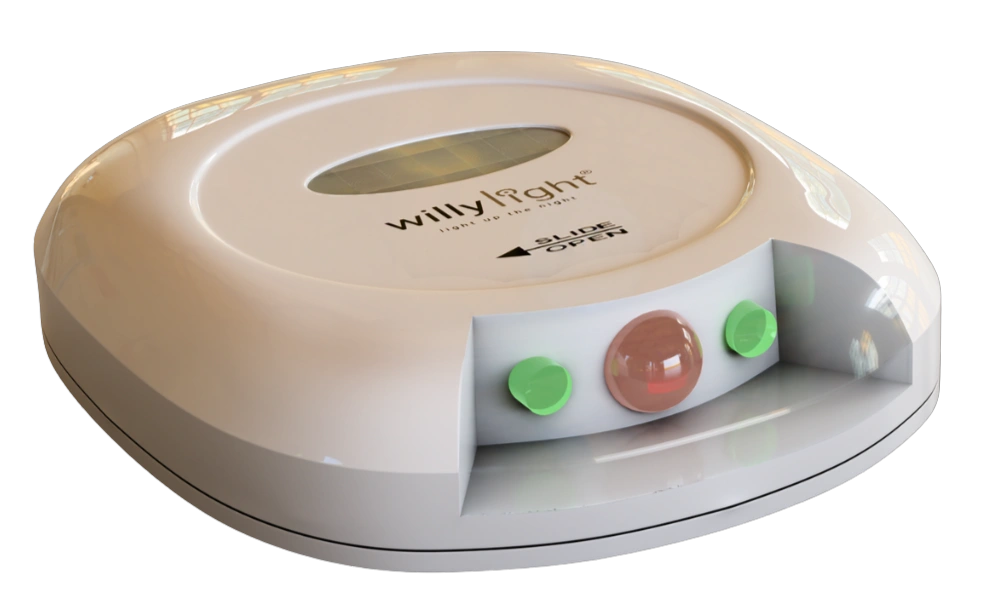
If you are a participant, carer or support coordinator currently exploring home safety upgrades, a sensible starting point is to raise nighttime bathroom safety directly with your occupational therapist or support coordinator. Items such as the WillyLight are inexpensive enough that they often fall within existing Core budget flexibility, though it remains worth confirming this with your plan manager before proceeding with a purchase.
Documenting the Need Clearly
When seeking funding for any home safety item, it generally helps to document the specific fall risk or safety concern clearly, ideally with input from a GP or occupational therapist, rather than simply requesting the item on its own. A clear, well documented link between the participant’s disability and the specific safety risk being addressed tends to make the reasonable and necessary case considerably easier to establish.
Working With a Support Coordinator or Plan Manager
If you have a support coordinator or plan manager, they are generally the best first point of contact for questions about what a specific item can be funded under, since they deal with these questions regularly and are typically familiar with current NDIA interpretations of the reasonable and necessary test. Self managed participants without a dedicated support coordinator can contact the NDIS directly, or seek advice from an occupational therapist familiar with AT funding processes, to get a clearer picture before committing to a purchase.
What to Do if a Claim Is Initially Knocked Back
If a request for funding is not approved on first submission, it is not necessarily the end of the road. Requests are sometimes declined due to insufficient documentation linking the item to a specific disability related need, rather than because the item itself is ineligible. Providing a clearer written explanation, ideally supported by an occupational therapist’s assessment, and resubmitting the request, resolves a meaningful proportion of initial knockbacks.
Staying Current
Given how frequently NDIS rules and categories have been updated in recent years, it is worth checking the current NDIS Price Guide and Operational Guidelines, or speaking directly with your plan manager, before finalising any purchase intended to be funded through your plan. What was accepted practice even a year ago may have shifted since, and confirming current rules first avoids any unwelcome surprises later.
A Sensible Approach for Smaller Items
For genuinely low cost items, often under one hundred dollars, many participants find it simpler to purchase directly and retain the receipt, confirming afterward with their plan manager that it fits within existing Core budget flexibility, rather than seeking formal pre approval for every small purchase. This approach is not appropriate for higher cost or more specialised equipment, where formal assessment and approval genuinely matters, but it can reduce unnecessary administrative overhead for smaller, clearly low risk items.
Understanding the Difference Between Core and Capital Supports in Practice
The distinction between Core and Capital Supports can feel abstract without a concrete example. A single grab rail or a motion sensor light, both low cost and simple to install, would typically be considered under Core Supports and managed with relative flexibility. A full bathroom renovation involving a walk in shower and structural changes, by contrast, would generally fall under Capital Supports, requiring a formal quote, an occupational therapy assessment, and a more detailed approval process before proceeding. Recognising which category a planned purchase falls into early on helps set realistic expectations for how much process is actually involved.
Keeping Records for Future Reference
Whatever the size of the purchase, keeping clear records, including receipts, any occupational therapy recommendations, and correspondence with your plan manager, is genuinely useful both for the current claim and for any future plan reviews. NDIS plans are reviewed periodically, and having a clear history of previous AT purchases and their justification can make future funding conversations considerably more straightforward.
A Final Reminder on Getting Advice Early
Whenever there is genuine uncertainty about whether an item will be covered, it is always worth checking before purchasing rather than after, since seeking reimbursement retroactively is generally a more difficult and less certain process than confirming eligibility upfront. A short conversation with a support coordinator or plan manager before buying is a small amount of effort that can save considerable frustration later.
A Closing Note on Patience With the Process
NDIS funding processes can occasionally feel slow or bureaucratic, particularly for participants navigating the system for the first time. Being thorough with documentation from the outset, and following up politely but persistently where needed, tends to produce a smoother outcome than becoming discouraged after an initial delay or request for further information.