If you are supporting an ageing parent’s independence at home, the bathroom deserves to be first on your list. It is consistently the room with the highest fall risk in any home, and it is often the room that receives the least attention until after an incident has already occurred.
Step One: Improve the Floor
- Replace worn or curling bath mats with securely backed, genuinely non slip versions.
- Consider non slip strips or a non slip coating inside the shower or bath itself.
- Fix any loose tiles or uneven flooring transitions before they become a genuine hazard.
Step Two: Add Support Where It Is Actually Needed
- Grab rails positioned beside the toilet and inside the shower.
- A raised toilet seat, if getting up and down has become noticeably difficult.
- A shower chair or bench for anyone dealing with balance issues or general fatigue.
Step Three: Fix the Lighting Properly
This is the step most families skip entirely, and it happens to be one of the easiest to fix. Ask your parent honestly whether they actually turn the light on every single time they get up during the night. Many older adults quietly stop doing this altogether because the bright light disturbs their sleep so noticeably, and end up navigating in the dark instead, which is precisely the scenario most likely to end in a fall.
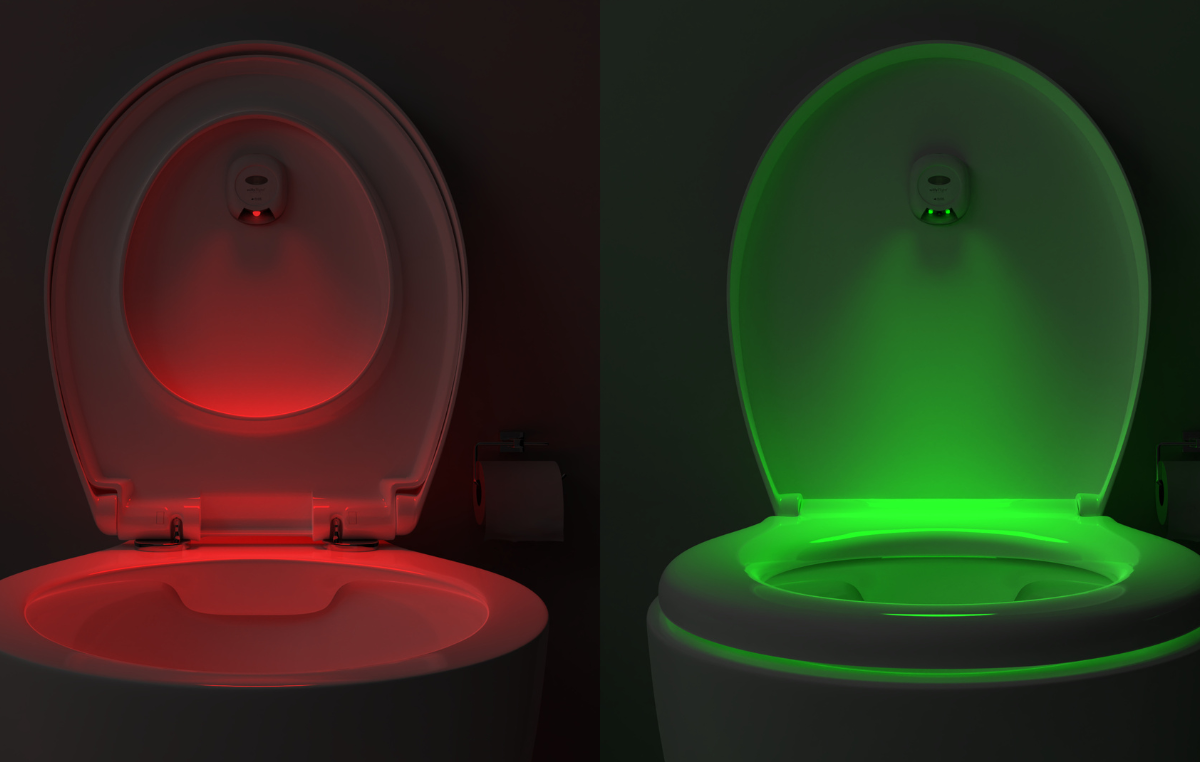
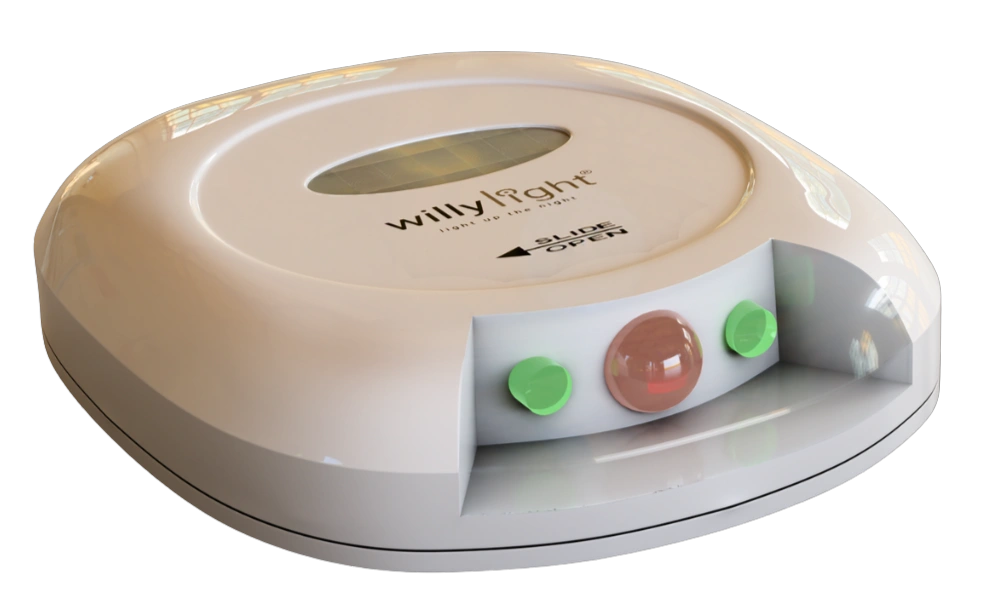
Replacing the manual switch habit with a motion activated, low glow light removes this particular trade off entirely. It comes on automatically, requires no light switch to locate in the dark, and does not produce the jarring brightness that discourages so many older adults from using it consistently in the first place. The WillyLight, which attaches directly to the underside of the toilet lid and uses electronic sensors to detect presence, is a straightforward, no installation drama option worth genuinely considering here.
Step Four: Make the Connecting Path Count Too
The bathroom itself is not the only risk zone in the house. The hallway connecting the bedroom to the bathroom matters just as much, and a simple plug in hallway night light closes this particular gap effectively and cheaply.
Step Five: Revisit the Setup Periodically
Mobility and needs change gradually over time, and a yearly check in on the overall bathroom setup, ideally alongside a GP or occupational therapist review, keeps the modifications properly matched to current needs rather than needs from several years earlier that may no longer reflect reality.
A Note on Cost and Effort
None of the steps above require a major renovation budget or specialist tradespeople. Most can be completed comfortably within a single weekend, and the lighting fix alone, addressing the single highest risk moment of a typical night, often ends up making the most noticeable and immediately appreciated difference of everything on this list. The WillyLight is priced at $39.99 with free shipping and a 30 day money back guarantee, making it a low risk item to add to this checklist straight away.
Involving Your Parent in the Process
Wherever possible, involve your parent directly in decisions about their own bathroom setup rather than making changes unilaterally on their behalf. Older adults generally respond far better to safety modifications they had a say in choosing, and a parent who feels their independence is being respected, rather than quietly taken away, is considerably more likely to actually use the new equipment consistently rather than resisting it out of principle.
What to Do if a Parent Resists the Changes
It is common for older parents to initially resist safety modifications, sometimes out of pride, sometimes out of a genuine belief that they do not yet need them. Rather than pushing hard on every change at once, introducing a single low profile item first, such as an automatic night light that simply makes nighttime visits more pleasant rather than being framed as a safety device, often meets with far less resistance than a more clinical looking grab rail installation. Once the first change proves its worth, parents are often considerably more receptive to further suggestions down the track.
Keeping a Simple Record
It can be genuinely useful to keep a simple, informal record of any near misses or actual falls, noting the time, location and circumstances. This record is useful both for identifying patterns that inform further changes, and as supporting information if you later pursue NDIS or My Aged Care funding for more substantial modifications.
Balancing Safety With Dignity
It is worth being mindful throughout this process that a bathroom filled with visibly clinical looking equipment can sometimes feel more like a hospital ward than a home, which can affect an older parent’s sense of dignity and independence even while genuinely improving their safety. Where possible, choosing equipment that blends more naturally into the existing decor, such as a discreet motion sensor light rather than an obviously medical looking fixture, helps maintain a sense of normalcy alongside the practical safety benefit.
A Checklist to Work Through Together
- Non slip flooring and mats checked and replaced if needed.
- Grab rails installed near the toilet and shower.
- Automatic, low glow lighting installed for nighttime use.
- Hallway path between bedroom and bathroom cleared and lit.
- A yearly review scheduled to reassess changing needs.
Working through this checklist together with your parent, rather than presenting it as a finished plan, tends to produce a setup that genuinely fits their specific needs and preferences, rather than a generic solution applied without their input.
A Reminder Worth Keeping in Mind
None of these changes need to happen all at once, and spreading them out over a few weekends, starting with lighting given how quickly and cheaply it can be addressed, is a perfectly reasonable approach for most families. What matters most is making genuine progress rather than achieving a perfect setup immediately.
A Brief Word on Budget Priorities
Where budget is limited, prioritising lighting and non slip flooring ahead of more expensive structural changes such as a full shower conversion generally delivers the greatest safety improvement per dollar spent, making it a sensible place to direct available funds first before considering larger renovation projects.