Ageing in place, meaning staying in your own home rather than moving into residential care, is the clear preference of the large majority of older Australians, and for many people it is entirely achievable with the right combination of home modifications, many of which are considerably simpler and less expensive than most people initially assume.
Entryways and Hallways
- Remove trip hazards such as loose rugs and trailing cords.
- Install handrails on any steps, even ones that have never previously seemed necessary.
- Improve hallway lighting generally, particularly along the specific path leading to the bathroom.
Bathroom
The bathroom is consistently identified as the highest risk room in the home for falls, thanks to the combination of hard, wet, slippery surfaces and the need to repeatedly get in and out of positions such as sitting, standing and bending. Key modifications typically include the following.
- Grab rails positioned near the toilet and inside the shower.
- A raised toilet seat, where getting up and down has become genuinely difficult.
- Non slip flooring or securely backed mats.
- A walk in shower rather than a step over bath, where a renovation is feasible.
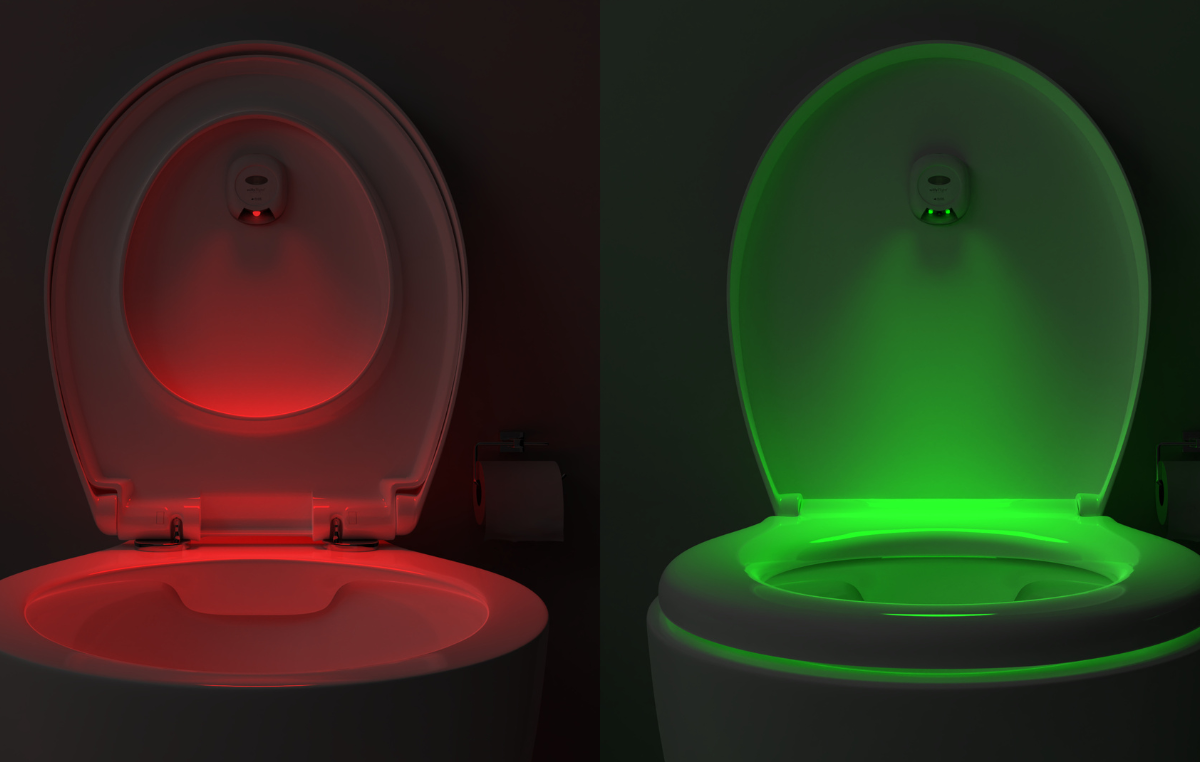
- Automatic, low glare lighting for nighttime visits specifically.
Bedroom
- A bed height that allows feet to reach the floor comfortably when sitting on the edge.
- A clear, adequately lit, but not overly bright, path leading to the bathroom.
- A bedside lamp positioned within easy reach without needing to stretch or lean.
Kitchen
- Frequently used items stored at waist height, avoiding both high shelves and very low cupboards.
- Lever style taps, which are considerably easier to operate than twist taps for anyone with reduced grip strength.
Starting Small Rather Than Renovating Everything at Once
A full bathroom renovation is not always necessary, or affordable, as a first step. Many falls prevention programs specifically recommend starting with the lowest cost, highest impact changes first, non slip mats, grab rails and better nighttime lighting, before considering larger structural renovations further down the track.
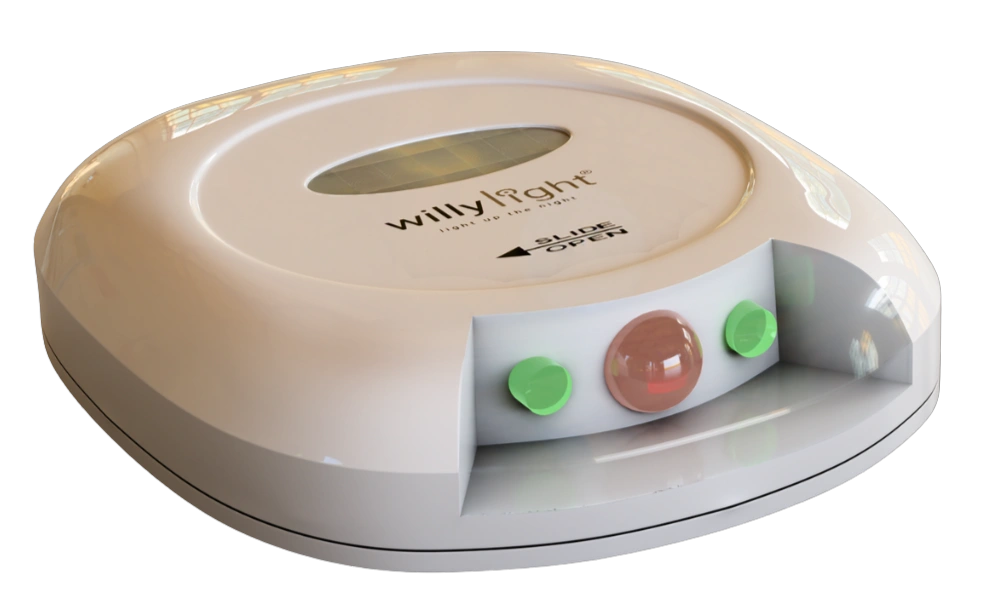
A product like the WillyLight is a good example of exactly this kind of low cost, no renovation required first step. It directly addresses one of the single highest risk moments in the day, the nighttime bathroom trip, without requiring any building work, wiring or professional installation. It is priced at $39.99, ships free, and comes with a 30 day money back guarantee, making it a sensible and genuinely low risk starting point for any household beginning to think about ageing in place more seriously.
Funding Options Worth Investigating
Home modifications do not always need to be funded entirely out of pocket. Depending on individual circumstances, funding may be available through the NDIS for eligible participants, through My Aged Care home support packages for older Australians, or through private health insurance extras cover for certain items. It is worth investigating these avenues before assuming a modification is unaffordable, since many programs specifically exist to support exactly this kind of home safety investment.
Working With a Professional Where It Makes Sense
While many of the changes covered in this guide can be implemented without professional help, an occupational therapist assessment is genuinely valuable for identifying risks specific to an individual’s own mobility, medical history and home layout, rather than relying solely on a generic checklist. This is particularly worth considering before undertaking larger structural changes such as a walk in shower conversion, where getting the layout right the first time avoids costly rework later.
Reviewing the Setup Over Time
Needs tend to change gradually rather than all at once, so it is worth revisiting the home modification checklist periodically, ideally alongside a GP or occupational therapist review, rather than treating it as a single, one off project that never needs revisiting again.
A Balanced Approach to Ageing in Place
The goal of ageing in place modifications is not to turn a home into a clinical environment, but to make thoughtful, largely unobtrusive changes that allow independence to continue safely for as long as possible. Many of the most effective changes, including improved lighting and non slip mats, are barely noticeable to a visiting guest, yet make a genuine, measurable difference to the person actually living with them day to day.
Common Mistakes Worth Avoiding
A few common mistakes tend to reduce the effectiveness of ageing in place modifications. Installing grab rails without properly checking they are anchored into a wall stud rather than plasterboard alone can result in a rail that fails exactly when it is needed most. Choosing bath mats or rugs marketed as non slip without checking they have a genuinely secure backing, rather than just a textured surface, can create a false sense of security. Taking the time to verify these details properly, rather than assuming a product does what its packaging claims, is well worth the small amount of extra effort involved.
Involving the Whole Family in the Plan
Ageing in place modifications tend to work best as a shared family project rather than something one person takes on entirely alone. Different family members often notice different risks or have different practical skills to contribute, whether that is researching funding options, physically installing grab rails, or simply having the more sensitive conversations about what changes are actually needed. Approaching it as a collective effort tends to produce a more thorough result than any one person managing the entire process by themselves.
A Final Word on Getting Started
The hardest part of any ageing in place project is usually simply beginning, since the full scope of possible changes can feel overwhelming when considered all at once. Picking one or two of the lowest cost, highest impact items from this guide, such as bathroom lighting and non slip mats, and completing them this month, is a far more manageable starting point than trying to plan an entire home modification project from the outset.
A Final Practical Note
Home modification projects tend to go more smoothly when tackled as a series of manageable stages rather than a single overwhelming renovation. Prioritising the bathroom and the path leading to it first, given how consistently these are identified as the highest risk areas, provides an excellent, achievable starting point for the rest of the plan to follow.