Caring for a parent at home often comes down to dozens of small, everyday decisions rather than one single dramatic change. Here are ten changes that consistently make a genuine, noticeable difference, none of which require a major renovation budget.
1. Fix Nighttime Bathroom Lighting First
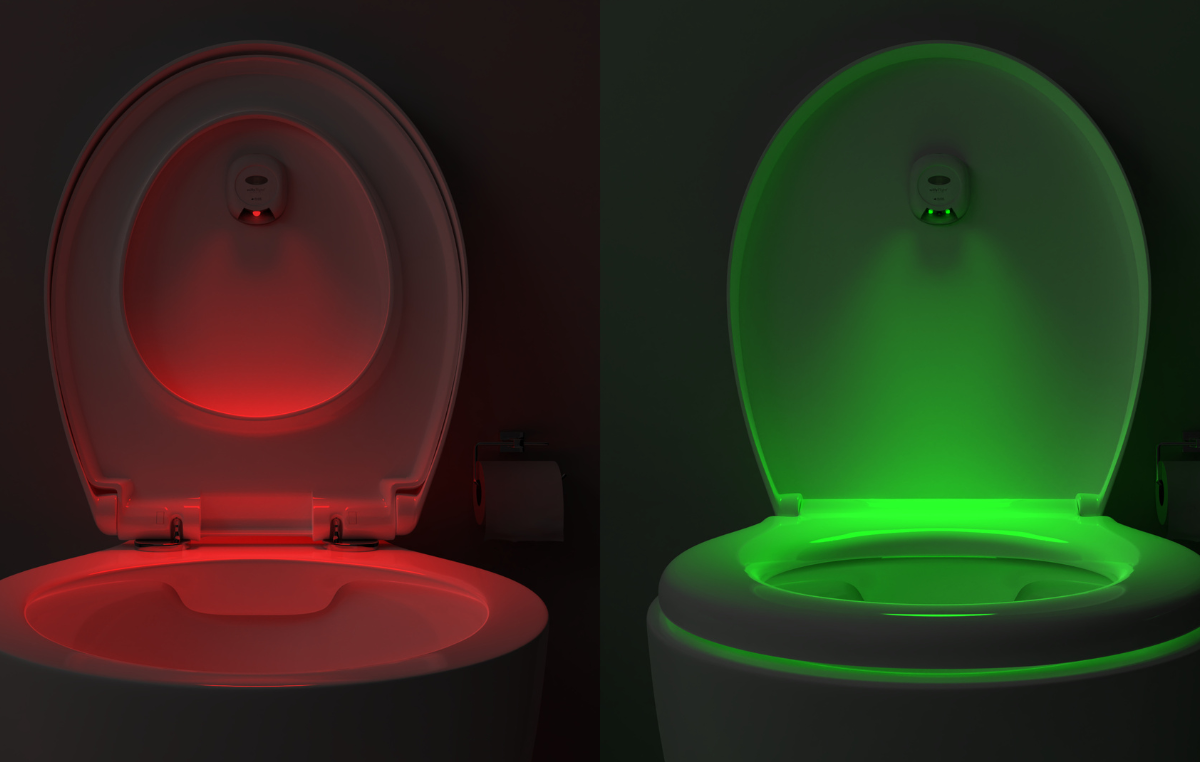
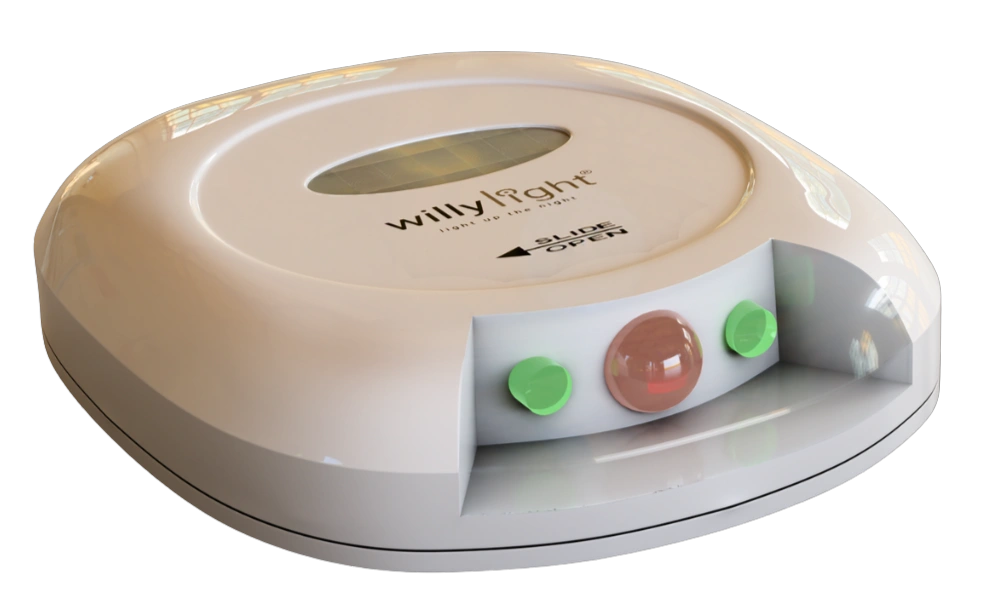
This is genuinely the single highest risk moment in a typical day, and one of the cheapest problems to solve properly. A motion sensor light like the WillyLight removes both the fall risk of navigating in the dark and the sleep disruption caused by a bright switch, addressing two problems with a single, straightforward change.
2. Set Up a Clear, Obstacle Free Path
From bed to bathroom specifically, ensuring there are no rugs, trailing cords or furniture positioned in the way, even furniture that has sat in the same spot for years without ever causing an issue before.
3. Add Grab Rails
Near the toilet and inside the shower, even before they seem strictly necessary. It is considerably easier to install them proactively than to retrofit them hurriedly after an incident has already occurred.
4. Check Medication Timing Against Bathroom Trips
Diuretic medications, often prescribed for blood pressure, can significantly increase nighttime urination frequency. A brief conversation with a GP about the specific timing of these medications can sometimes genuinely help reduce the number of nighttime trips required.
5. Keep a Phone or Call Device Within Reach of the Bed
In case help is ever needed overnight, having a way to call for assistance without needing to get up and move around the house first can make a real difference to overall peace of mind for everyone involved.
6. Review Footwear, Not Just Flooring
Slippers with a genuinely proper grip sole matter considerably more than most people expect, and are a simple, inexpensive item worth checking and replacing regularly.
7. Improve Contrast, Not Just Brightness
Light coloured grab rails, or a toilet seat in a contrasting colour to the surrounding bowl and floor, help considerably with depth perception in low light conditions.
8. Reduce Clutter in High Traffic Areas
Particularly anything left on the floor overnight, since even small, seemingly harmless items become genuine trip hazards when visibility is reduced.
9. Schedule a Home Safety Assessment
Often available through My Aged Care or, where eligible, through NDIS supports, an occupational therapist can identify specific risks that are easy to miss from the inside of a familiar home.
10. Check In on the Setup, Rather Than Setting and Forgetting It
Needs shift gradually over time, and what worked perfectly well last year might genuinely need adjusting again this year as circumstances continue to change.
Where to Start
None of these ten changes require a renovation budget, and most can realistically be completed within a single weekend. The lighting fix alone, addressing the single highest risk moment of a typical night, often makes the most immediately noticeable difference of everything on this list, and the WillyLight, priced at $39.99 with free shipping and a 30 day money back guarantee, is a genuinely low risk place to begin.
Looking After Your Own Wellbeing as a Carer
It is worth acknowledging that caring for a parent, even in small, practical ways, can be genuinely tiring over time, particularly when combined with work and other family responsibilities. Simple, low effort changes like the ones covered in this guide are partly valuable precisely because they reduce ongoing worry and vigilance for carers as well as improving safety for the parent themselves, freeing up mental energy that might otherwise be spent anxiously monitoring for potential issues.
When to Bring in Additional Support
If you notice that the changes covered here are not enough to address ongoing concerns, or if your parent’s needs seem to be increasing more quickly than home modifications alone can keep pace with, it is worth having an honest conversation about additional support options, whether that is home care services, a more formal occupational therapy assessment, or a broader conversation about long term care planning. Making small changes now does not preclude having that larger conversation later, and in many cases, the two work well together.
A Final Thought
Caring for a parent well rarely comes down to one single decision. It is built from a series of small, thoughtful adjustments made consistently over time, exactly like the ten changes covered in this guide. Starting with even one or two of them this week is a genuinely worthwhile step, regardless of how far along the caring journey you currently find yourself.
Recognising That Priorities Will Differ Between Families
Not every change on this list will be equally relevant to every family, and it is worth prioritising based on your own parent’s specific circumstances rather than working through the list in strict order. A parent with good mobility but a memory related medication concern might benefit most from item four, while a parent with more significant balance issues might get the most immediate benefit from items one and three. Reading through the full list and identifying which two or three items apply most directly to your own situation is a more efficient use of time than attempting all ten changes simultaneously.
Revisiting the List Periodically
As circumstances change, it is worth returning to this list every six months or so to check whether previously lower priority items have become more relevant, or whether new concerns have emerged that were not present when the list was first worked through. Treating home safety as an ongoing, evolving conversation, rather than a one off project completed and then forgotten, tends to serve both the parent and the carer far better over the long term.
One Last Practical Suggestion
If you are unsure where to begin among these ten changes, starting with nighttime bathroom lighting is a genuinely sound choice for almost every family, since it addresses the single highest risk moment of the day, requires no professional installation, and tends to be appreciated immediately by the parent themselves, rather than feeling like a change imposed on them from the outside.